
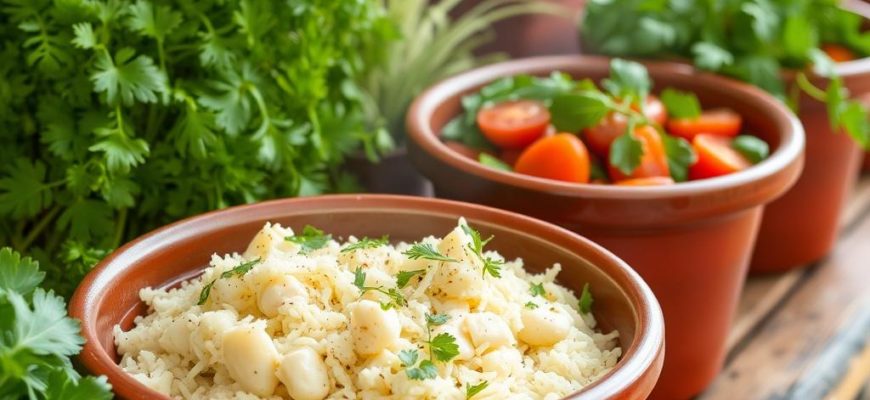
Imagine a single pot steaming on a backyard stove while scents of caramelized onion and warm spices drift into the late afternoon. The lid lifts and you see fluffy rice threaded with golden carrots, tender pieces of meat, and a glossy layer of rich fat that promises depth in every bite. That scene is the essence of pilaf in pots: simple equipment, complex flavor, and a story in each grain. Read on and you’ll learn where it came from, how to make it perfectly at home, and why communities from Samarkand to Sarajevo claim it as their own.
Country of origin Pilaf in pots
Pilaf’s roots are complicated, and that’s what makes the dish interesting. The method of cooking rice with meat and aromatics likely began in the Persian world, where rice cultivation and layered cooking developed early. From Persia the technique spread along trade routes, changing as it met nomads, Ottoman kitchens, and Central Asian cauldrons. When people say plov, pilaf, or pulao, they are often pointing to the same idea adapted by local tastes. So while Persia (modern Iran) is a major ancestor, Central Asia—especially Uzbekistan—and the eastern Mediterranean each have strong claims to pilaf’s heritage, particularly when cooked in a pot over fire.
History Pilaf in pots
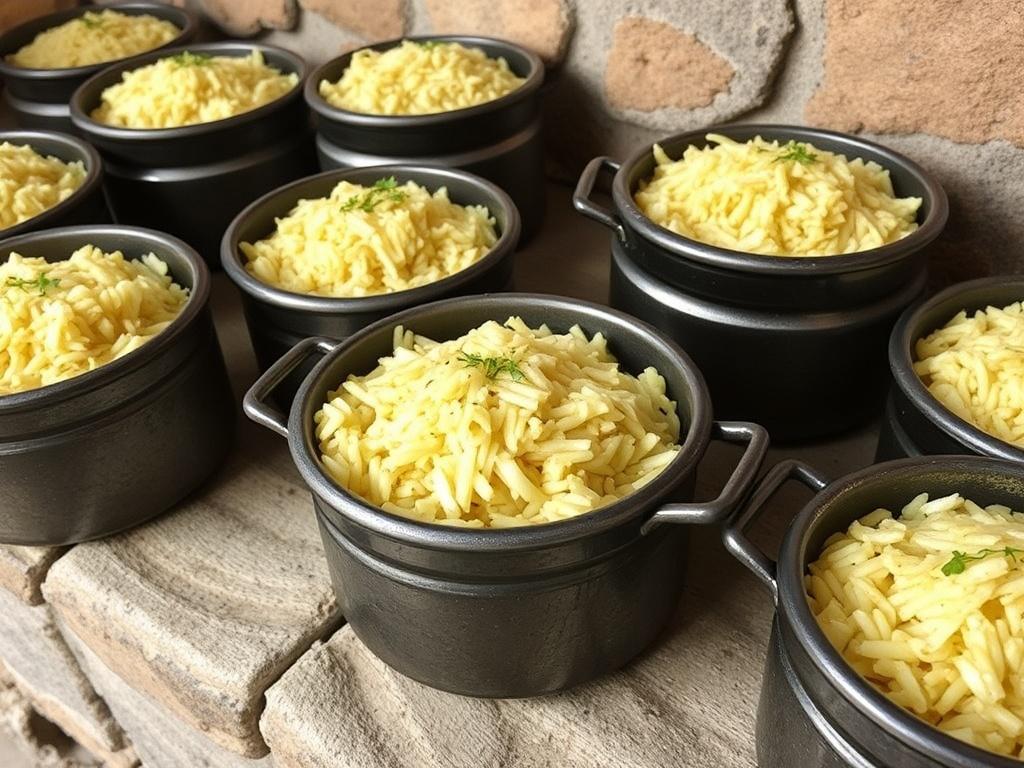
Pilaf evolved from practical needs as much as from culinary curiosity. Traveling merchants and armies needed one-pot meals that used available grains and preserved meat. The technique of frying ingredients before adding rice helped seal flavor and keep grains separate. In the medieval period, recipes traveled with diplomats and traders, and each culture introduced its own tweaks: saffron in Iran, carrots and lamb in Uzbekistan, raisins or nuts in the Levant. The use of heavy pots—kazan, cauldron, or deep earthenware—ensured even heat and allowed long, slow cooking. Over centuries, pilaf became both daily food and celebratory fare, tied to weddings, harvests, and communal feasts.
Interesting facts about Pilaf in pots
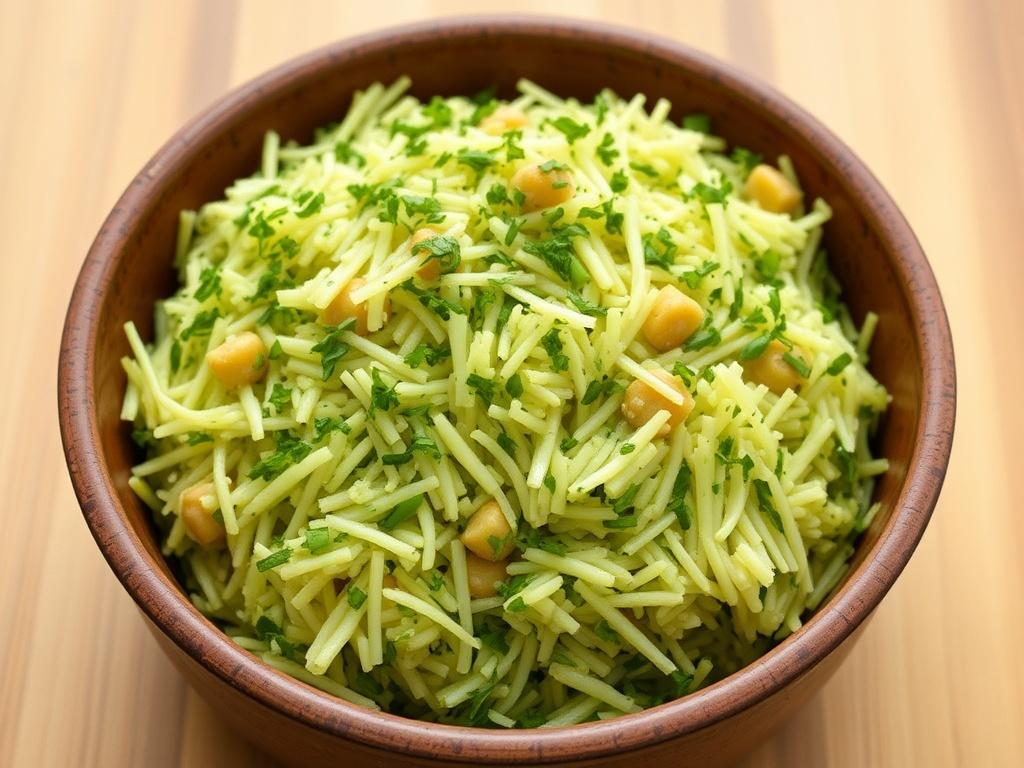
- Different names: plov, pilau, pulao, pilaf. The variations reflect language and local ingredients rather than completely different dishes.
- Layering technique: in many traditions vegetables and meat are caramelized first, then rice is layered on top and steamed, which keeps grains intact while infusing them with flavor.
- Special pots matter: a heavy-bottomed pot retains heat evenly, preventing bottom scorching while creating a desirable crust in some regional styles.
- Celebratory scale: in Central Asia, giant pots of plov are cooked outdoors for hundreds of people at weddings; the process is part ritual, part social event.
- Climate adapted: dry climates favored preserved meat and oil-rich cooking, which shaped the robust, fat-forward pilaf styles of some regions.
Nutritional value Pilaf in pots
Nutritional content varies widely by recipe. A typical meat-and-rice pilaf serving (about 350–400 g) provides roughly:
| Component | Estimate per serving |
|---|---|
| Calories | 550–700 kcal |
| Protein | 20–35 g |
| Fat | 20–35 g (depends on meat and oil) |
| Carbohydrates | 60–90 g |
| Fiber | 2–6 g |
Choose leaner cuts and reduce added oil to lower calories and fat. Add vegetables or legumes to increase fiber and micronutrients. Spices like turmeric and cumin contribute antioxidants without calories.
Popularity in different countries Pilaf in pots
Pilaf is a structure more than a recipe, so every country adapts it to local produce and customs. In Uzbekistan, plov is national food and often includes lamb, carrots, and a pronounced savory crust. Iran favors saffron and delicate rice textures. In the Indian subcontinent pulao is lighter, often studded with whole spices and vegetables. Turkey and the Levant offer pilav styles that can be rice-based or bulgur-based, sometimes enriched with chicken or toasted nuts. Each region values pot-cooked rice for its ability to yield uniform heat and deep, infused flavors.
The best step-by-step cooking recipe for Pilaf in pots
This recipe targets a classic pot pilaf with lamb and carrots, suitable for a home kitchen using a heavy pot. It’s written for clarity so you can follow it without prior experience.
Ingredients (serves 4–6)
| Ingredient | Amount |
|---|---|
| Long-grain rice (basmati or similar) | 2 cups (about 400 g) |
| Lamb shoulder, cubed | 500–600 g |
| Onions, thinly sliced | 2 large |
| Carrots, julienned or grated | 3 medium |
| Garlic | 3–4 cloves |
| Vegetable oil or lamb fat | 4–6 tbsp |
| Salt | 1.5–2 tsp |
| Ground cumin | 1 tsp |
| Black pepper | ½ tsp |
| Warm water or stock | about 3.5–4 cups |
Preparation and cooking
- Rinse the rice under cold water until it runs mostly clear; soak for 20–30 minutes, then drain. This reduces surface starch and helps separate grains.
- Heat the pot over medium-high heat. Add oil and brown lamb pieces in batches so they get color; remove and set aside.
- Lower heat to medium. Add more oil if needed and sauté onions until deep golden. Caramelized onions add a sweet backbone to the dish.
- Add carrots and cook until they soften and start to take color. Return lamb to the pot, stir in garlic, cumin, pepper, and salt. Cook a few minutes for flavors to marry.
- Add warm water or stock so that liquid just covers the mixture. Simmer until meat is nearly tender—this can take 25–40 minutes depending on cut.
- Spread drained rice evenly over the meat and vegetables. Do not stir. Gently pour warm water so it sits about 1.5 cm above the rice. Increase heat until liquid comes to a gentle boil, then reduce to the lowest simmer.
- Cover tightly and steam for 20–25 minutes. After that, turn off heat and let rest, covered, for another 10 minutes.
- Remove lid, use a fork to gently fluff and combine layers. Serve straight from the pot so everyone enjoys the aromatic steam.
Tips for perfect pot pilaf
- Use medium-long or long-grain rice; avoid short-grain that clumps. Rinsing and soaking change the final texture.
- Heavy pot equals steady heat; thin pans risk scorching and uneven cooking.
- Don’t stir after adding rice; stirring releases starch and turns pilaf gluey.
- Adjust water by a small margin based on rice age and type; older rice absorbs more.
Pilaf in pots is forgiving and rewarding: a handful of good ingredients, patient layering, and modest heat yield a dish that tastes like tradition. Try small variations—swap lamb for chicken, add dried apricots, or toast nuts for crunch. Each tweak tells a new story while keeping the heart of pot pilaf intact.


