
The Pilaf Chronicles: A Journey Through Rice, Spices, and Tradition

In many kitchens the idea of cooking with nutria might raise an eyebrow, but give it a chance: when treated right, this lean, gamey meat becomes a delicious partner for rice and spices. This article walks you through where nutria pilaf fits on the culinary map, why people started making it, what to expect from its flavor and nutrition, and — most importantly — how to cook a reliable, tasty nutria pilaf at home. Read on if you like practical tips, a sensible approach to wild meat, and a recipe you can follow tonight.
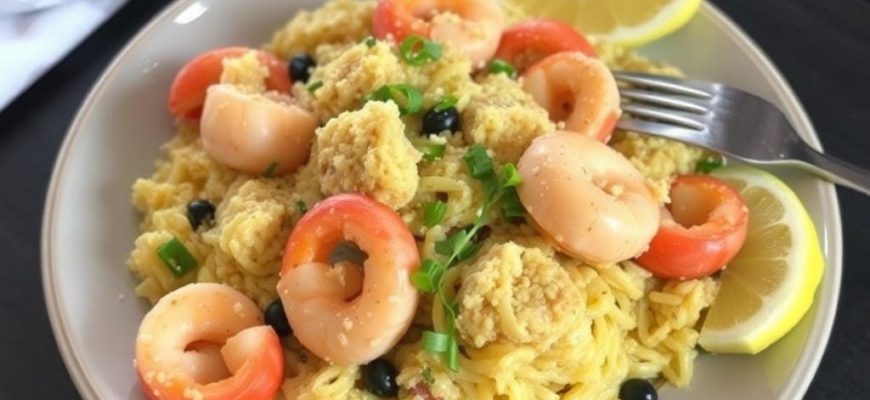
Close your eyes for a moment and picture the moment a pot of rice meets the sea: steam rising, threads of saffron turning the grains golden, plump mussels and shrimp nestling between pearls of rice that have soaked up every last drop of broth. That first bite is the sort of food memory that sticks — warm, salty, and full of conversation. If you love food that tells a story with every forkful, keep reading: seafood pilaf is simple enough for a weeknight and theatrical enough for company, and there are more ways to make it than you might expect.
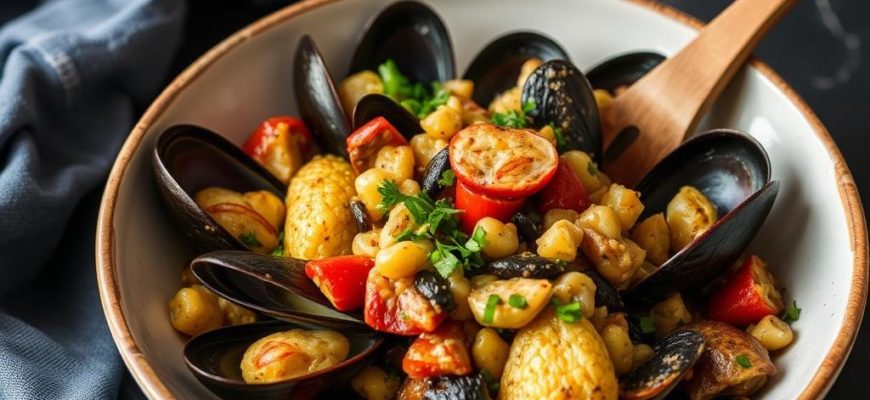
Imagine rice perfectly steamed with the briny kiss of the ocean, black-shelled mussels opening like tiny treasures, garlic and saffron threads weaving warmth through every spoonful. That’s mussel pilaf — simple ingredients elevated by timing and respect for the shellfish. If you like food that feels both cozy and a little elegant, and you want a one-pan dish that impresses without drama, keep reading. I’ll walk you through where this dish comes from, why it works so well, some neat facts, the nutrition you should know, how different countries have embraced it, and a clear step-by-step recipe that anyone can follow.