
The Pilaf Chronicles: A Journey Through Rice, Spices, and Tradition
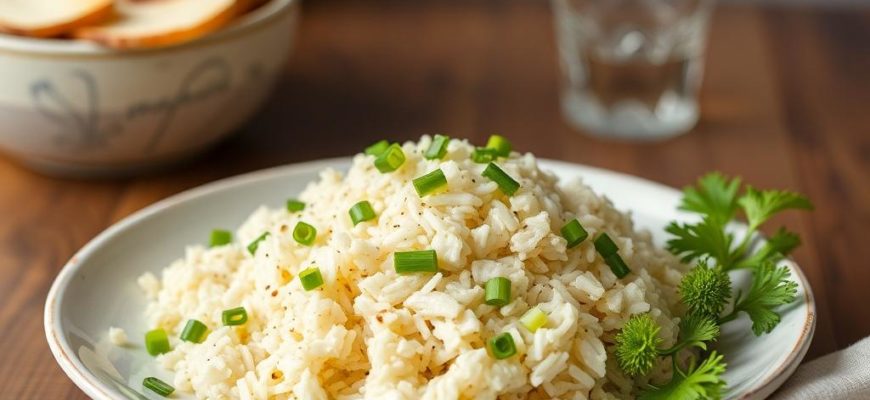
Imagine a steaming pot of rice that smells of warm spices and bright green celery, each grain separate and glossy, the celery still offering a little snap. That contrast between tender rice and fresh, slightly crisp celery makes Pilaf with celery a dish that feels both comforting and unexpectedly lively. Read on and you’ll learn where this idea came from, why celery works so well, how different cultures have made it their own, and a clear, foolproof recipe to make it at home tonight.

Close your eyes for a second and imagine rice perfumed with rendered pork fat, tiny golden cracklings scattered on top, and the kind of warmth that reaches the chest as soon as the first spoonful goes in. Pilaf with lard is exactly that—humble ingredients that conspire to feel indulgent and familiar at once. It’s the kind of home cooking that doesn’t try to impress with exotic spices; instead it wins by depth of flavor and honest technique. If you’ve ever wondered why some rice dishes stick with you long after the meal, read on—this piece walks through where this pairing comes from, what makes it special, and how to make a reliably delicious pilaf at home.

Imagine warm aromatic rice, grains glossy with olive oil and saffron, mingled with flaky fish that picks up the spices and releases a little sea-salt whisper with every forkful. Pilaf with fish is one of those dishes that feels both festive and homey at once — good enough for guests, easy enough for a weeknight. If you like food that balances texture and aroma, that carries history in its spices and geography in its choice of protein, keep reading. You’ll learn where this idea came from, why fish works so well in pilaf, and exactly how to make a reliable, tasty version at home.