
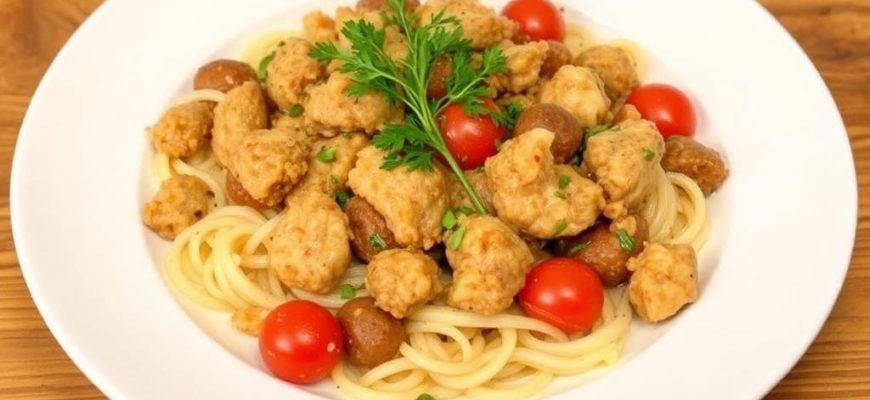
Imagine the warm smell of caramelized onions and toasted cumin rolling through a kitchen while tender chunks of veal melt into glossy rice—each grain separate, each bite balanced between savory meat and fragrant spices. Veal pilaf takes the familiar comfort of pilaf and gives it a lighter, silkier voice. Whether you want a celebratory center dish or a weeknight meal that feels special, this version rewards patience and a few simple techniques. Read on and you’ll learn where this dish comes from, why it works so well with veal, some surprising facts, its nutrition profile, how different countries enjoy it, and a clear, step-by-step recipe you can follow tonight.
Country of origin Veal pilaf
Pilaf itself traces its roots to the broad culinary world of Central Asia and the Middle East, where cooking rice with meat, broth and aromatics has been a staple for centuries. There isn’t a single “country of origin” for a veal-specific pilaf; rather, veal pilaf is a regional adaptation found where both rice dishes and veal are common. You’ll see it in parts of Central Asia, Turkey, the Levant and the Balkans. Each place folds local herbs, oils and techniques into the same basic idea: rice cooked with a savory meat base so flavors meld and the rice remains distinct.
History Veal pilaf
Pilaf’s history follows trade routes. Persian cooks perfected rice techniques, Central Asian nomads developed hearty meat-and-rice one-pots, and the Ottoman kitchens adapted and spread versions across Southeast Europe and the eastern Mediterranean. When veal is used instead of lamb or beef, it often reflects local livestock practices and taste preferences—veal is milder, more delicate, and can turn a traditionally robust dish into something subtler. Over time, households adapted pilaf recipes to available meats: in places where veal was prized or more tender slaughter calves were used, cooks created lighter, refined pilafs that complemented celebrations and Sunday meals.
Interesting facts about Veal pilaf
- Pilaf is often served for large gatherings because it scales well: you can cook big pots and keep rice texture stable when done correctly.
- In Uzbekistan, plov festivals celebrate harvests and weddings; meat choices vary, and although lamb is common, veal or young beef may be used for a softer taste.
- The term pilaf has dozens of local names—plov, pilau, pilav—but the technique of frying then simmering rice is shared.
- Veal pilaf benefits from a two-stage approach: browning the meat first builds flavor; resting the pot off-heat at the end firms up grains and lets aromas settle.
Nutritional value Veal pilaf
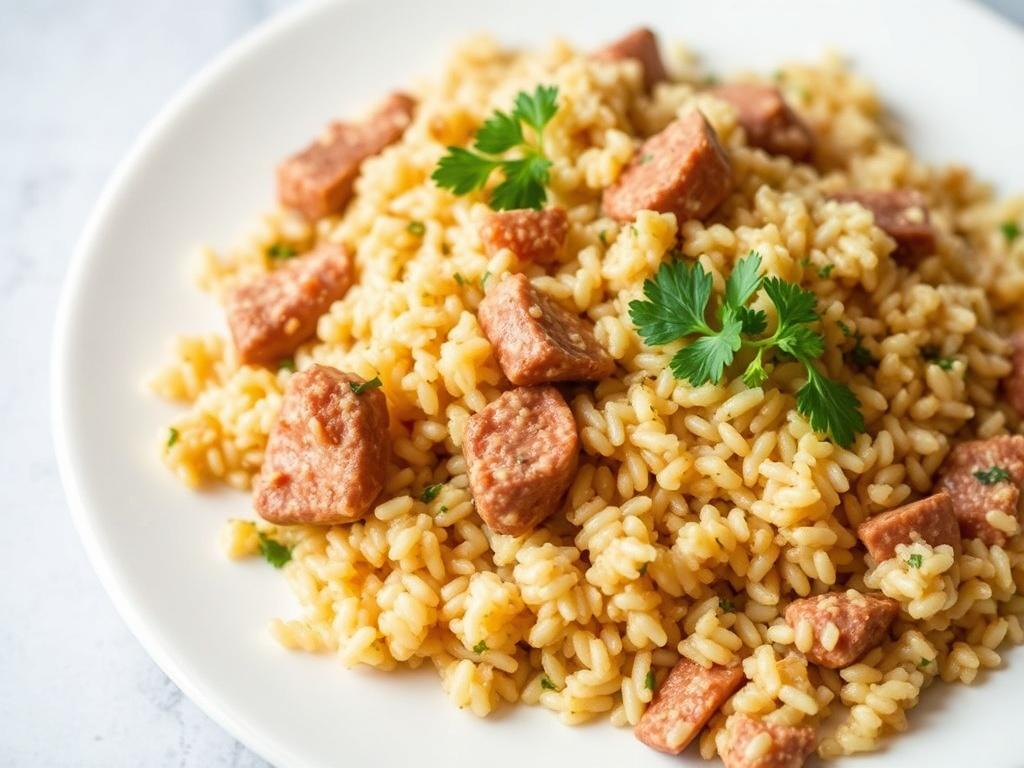
Nutrition depends on portion size, oil used, and rice type. Veal is a relatively lean source of high-quality protein and provides B vitamins, zinc and iron. Pilaf also supplies carbohydrates and, if cooked with carrots and onions, adds fiber and vitamins. Below is an approximate nutritional breakdown for one serving (about 350 g) of a typical homemade veal pilaf.
| Nutrient | Approximate amount per serving |
|---|---|
| Calories | 550 kcal |
| Protein | 28–32 g |
| Fat | 18–22 g (varies with oil) |
| Carbohydrates | 60–70 g |
| Fiber | 2–4 g |
| Sodium | 400–700 mg (depends on added salt and broth) |
Popularity in different countries Veal pilaf
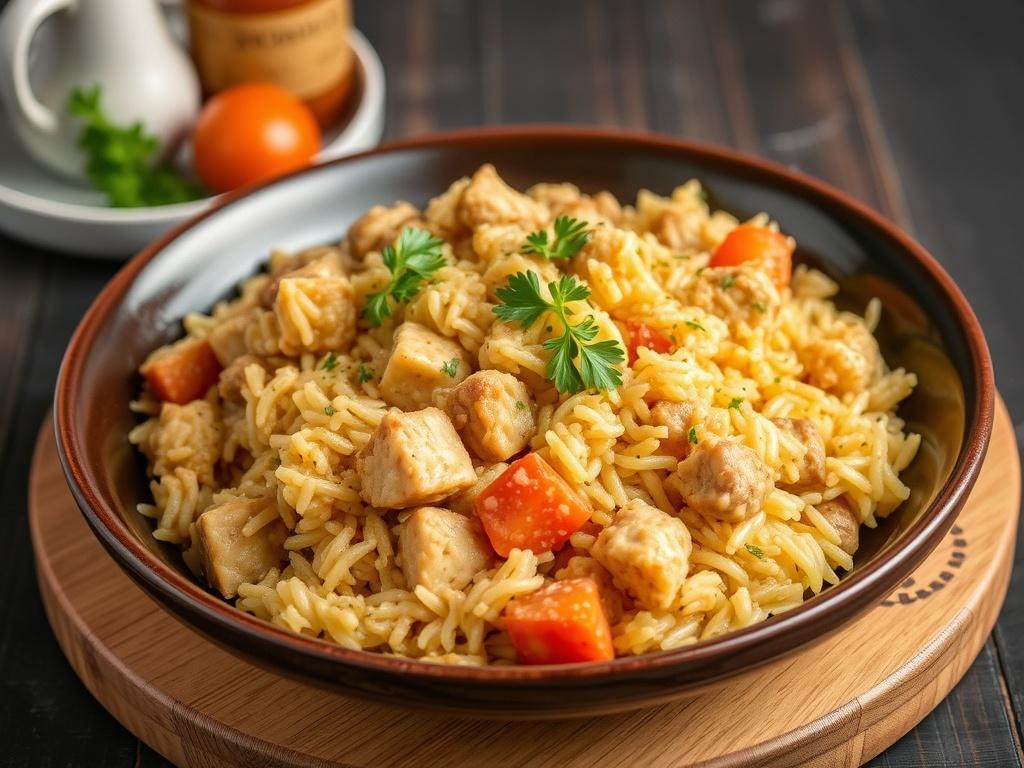
In Central Asia, pilaf (often called plov) is national comfort food—served at weddings, funerals and community feasts. Turkey and the Levant have rice pilafs with meat reductions; veal appears where lighter flavors are preferred. In Balkan cuisine, pilaf can appear as an everyday side or main, sometimes enriched with veal for special occasions. Western restaurants sometimes add veal to pilaf to present a refined, French-influenced take on the dish. The simple truth: wherever rice and tender meat are cherished, variations of veal pilaf find fans.
The best step-by-step cooking recipe for Veal pilaf
This recipe serves 4. The method borrows from classic pilaf technique: brown meat, sweat aromatics, toast rice, then simmer gently.
Ingredients
- 500 g veal shoulder or leg, cut into 2–3 cm cubes
- 2 cups long-grain rice (basmati or jasmine), rinsed until water runs clear
- 1 large onion, thinly sliced
- 2 carrots, julienned or grated
- 3 tbsp vegetable oil or clarified butter
- 1.5 tsp ground cumin
- 1 tsp ground coriander (optional)
- Salt and black pepper to taste
- 3.5–4 cups hot broth or water (adjust by rice type)
- Fresh herbs for garnish: parsley or dill
Equipment and tips
- Use a heavy-bottomed pot or Dutch oven with a tight lid.
- Rinse rice to remove excess starch; soak 20–30 minutes if using basmati for better grain separation.
- Maintain a gentle simmer once the lid is on; rolling boil will break grains.
Method
- Pat veal dry and season with salt and pepper. Heat oil in the pot over medium-high heat. Brown meat in batches until nicely caramelized but not overcooked, then remove and set aside.
- Lower heat to medium, add onions and cook until soft and golden—this step builds sweetness that lifts the whole dish.
- Add carrots and spices; cook 3–4 minutes to soften the carrots and awaken the spices.
- Return veal to the pot and stir to combine. Taste and adjust seasoning.
- Evenly spread the rinsed rice over the meat mixture; do not stir. Gently pour hot broth over the rice so it just covers the grains (about 1:1.75–2 rice to liquid by volume depending on rice). Sprinkle a pinch of salt across the top.
- Bring to a brisk simmer uncovered, about 6–8 minutes, then reduce heat to low, cover tightly and cook undisturbed 18–22 minutes until liquid is absorbed and rice is tender.
- Turn off the heat and let the pot rest, covered, 10–15 minutes. Fluff rice gently with a fork, mixing meat and rice just before serving. Garnish with herbs.
Serving suggestion: offer a crisp salad or yogurt on the side to balance richness. Leftovers reheat well and often taste better after flavors settle overnight.
Final notes
Veal pilaf rewards a few careful choices: good-quality veal, correctly rinsed rice, and patience during simmer and rest. The result is a dish that looks impressive but is forgiving to cook—comfort food with a refined edge. Try it once and you’ll see how a modest change of protein can reshape a classic into something unexpectedly elegant.


