

Imagine the warm, nutty scent of tiny golden grains steaming in a pot, flecked with colorful vegetables and tender spices — simple, honest food that feels like a hug. Couscous pilaf manages that trick: humble ingredients that come together quickly and taste like they took longer. If you’ve ever wondered how to turn a box of couscous into a meal that’s both comforting and a little adventurous, stay with me — this article walks through where it came from, what makes it special, and a foolproof recipe you’ll want on repeat.
- Country of origin Couscous pilaf
- History Couscous pilaf
- Interesting facts about Couscous pilaf
- Nutritional value Couscous pilaf
- Popularity in different countries Couscous pilaf
- The best step-by-step cooking recipe for Couscous pilaf
- Ingredients
- Step-by-step method
- Tips for perfect couscous pilaf
- Serving, storing and variations
- Final thoughts
Country of origin Couscous pilaf
Where did couscous pilaf come from? The roots trace back to North Africa, especially the Maghreb region — Morocco, Algeria, Tunisia and Libya — where couscous as a staple has been made for centuries. The technique of steaming semolina granules and combining them with broths, vegetables, and meats developed locally and spread through trade and migration. When people talk about couscous pilaf today, they often mean a dish where couscous is first toasted or steamed, then mixed with flavored stock and additions, reflecting regional tastes.
History Couscous pilaf
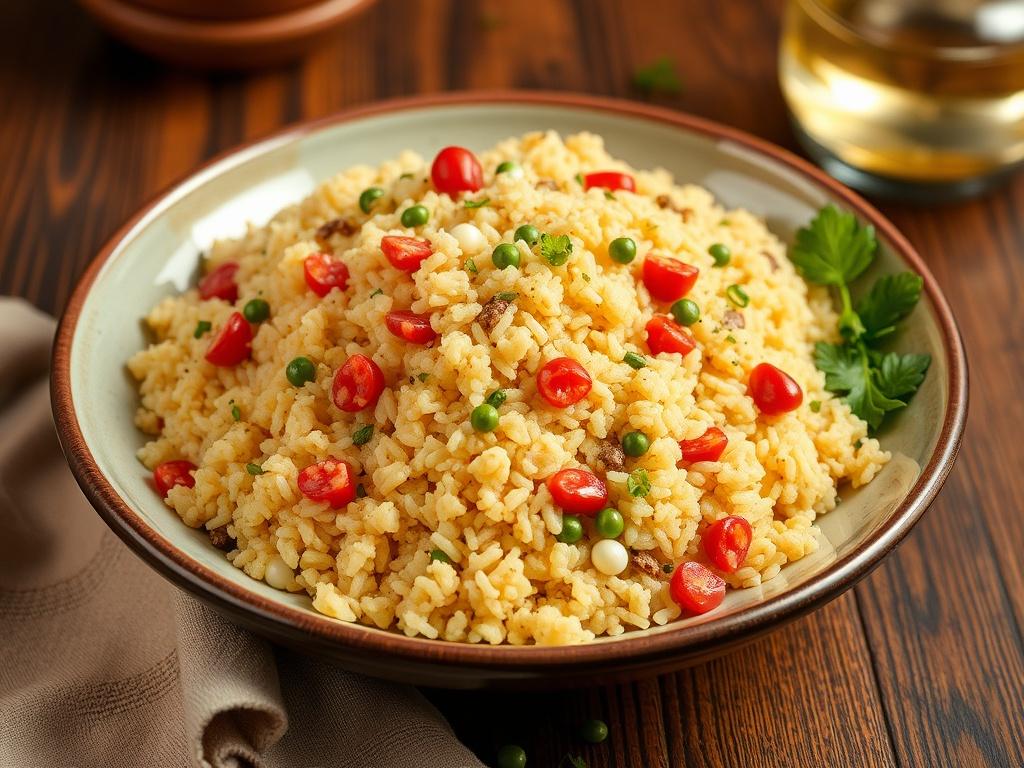
Couscous itself appears in records from medieval North Africa, but the idea of pilaf-style preparations — cooking grains with aromatics and liquid so every grain is separate and flavorful — links couscous to broader culinary traditions across the Mediterranean and Middle East. Over time, households adapted the basic method to what was available: fish on the coast, preserved lemon and olives in Morocco, or hearty lamb stews inland. The term pilaf emphasizes the one-pot approach and the goal of fluffy, distinct grains rather than a porridge-like result.
Interesting facts about Couscous pilaf
- Couscous granules were traditionally rolled by hand from semolina and fine wheat flour; commercial production mechanized this but artisanal methods persist in some places.
- Instant couscous was invented to meet modern needs: it’s pre-steamed and dries quickly, so it rehydrates in minutes with hot liquid. Purists still prefer traditional methods for texture, but instant works wonderfully for quick pilaf.
- Flavor carriers like preserved lemon, toasted nuts, raisins or dried apricots show how couscous pilaf balances sweet, salty and earthy notes — a single bowl can cover a lot of flavor ground.
Nutritional value Couscous pilaf
Couscous is primarily a carbohydrate source, relatively low in fat and a modest source of protein compared to whole grains. Nutritional profiles vary depending on additions — olive oil, nuts, meat and vegetables change calorie and micronutrient totals. Below is a quick reference for a basic couscous pilaf made with water and olive oil.
| Nutrient (per 1 cup cooked) | Approximate amount |
|---|---|
| Calories | 176 kcal |
| Carbohydrates | 36 g |
| Protein | 6 g |
| Fat | 0.3–4 g (depends on added oil) |
| Fiber | 2 g |
| Vitamins and minerals | Small amounts of B vitamins, iron, selenium |
Popularity in different countries Couscous pilaf
Couscous pilaf has traveled far beyond North Africa. In France, it’s embraced as a weekday staple and as part of festive meals. In parts of the Middle East, couscous shows up alongside rice dishes, while in Israel and Mediterranean Europe it’s often served with roasted vegetables and grilled fish. In the U.S. and UK, couscous pilaf is a popular base for bowls and salads, prized for speed and the way it soaks up dressings and sauces. Each country adapts it: spices, proteins and garnishes change, but the core idea remains.
The best step-by-step cooking recipe for Couscous pilaf
This is a reliable, flavorful method that works with instant couscous and scales easily. It focuses on texture and layering flavor so your pilaf never feels bland.
Ingredients
- 1 cup couscous (instant)
- 1 1/4 cups low-sodium chicken or vegetable broth (or water)
- 1 tablespoon olive oil or butter
- 1 small onion, finely chopped
- 1 garlic clove, minced
- 1/2 cup diced carrot or bell pepper (optional)
- Salt and pepper to taste
- Handful chopped parsley or cilantro
- Optional: toasted almonds or pine nuts, raisins or chopped dried apricot
Step-by-step method
- Heat the olive oil in a small saucepan over medium heat. Add the onion and cook until translucent, about 4 minutes. Stir in garlic and diced vegetables and cook another 2 minutes.
- Add the broth and bring to a gentle boil. Season with a pinch of salt and pepper. If you like spices, add 1/2 tsp ground cumin or a pinch of cinnamon now.
- Remove the pan from heat. Stir in the couscous, cover tightly, and let sit undisturbed for 5–7 minutes so the grains absorb the liquid.
- Uncover and fluff the couscous with a fork to separate grains. Fold in chopped herbs, toasted nuts and dried fruit if using. Taste and adjust seasoning.
- Serve warm as a side or top with roasted vegetables, grilled chicken, chickpeas or a lemony yogurt sauce.
Tips for perfect couscous pilaf
- Use slightly more liquid for a softer texture, slightly less for firmer grains. The 1:1.25 ratio is a good starting point for instant couscous.
- Toasting the dry couscous briefly in the pan before adding liquid gives a nuttier flavor and improves texture.
- If using whole-wheat or giant couscous (pearl couscous), follow package liquid ratios and simmer rather than just steam.
Serving, storing and variations
Couscous pilaf is forgiving. It reheats well in a pan with a splash of water or in the microwave. For a heartier meal, stir in cooked chickpeas or shredded roast chicken. For a bright, Mediterranean twist, mix in roasted tomatoes, olives and fennel. Leftovers make excellent salad bases when cooled and tossed with lemon vinaigrette.
Final thoughts
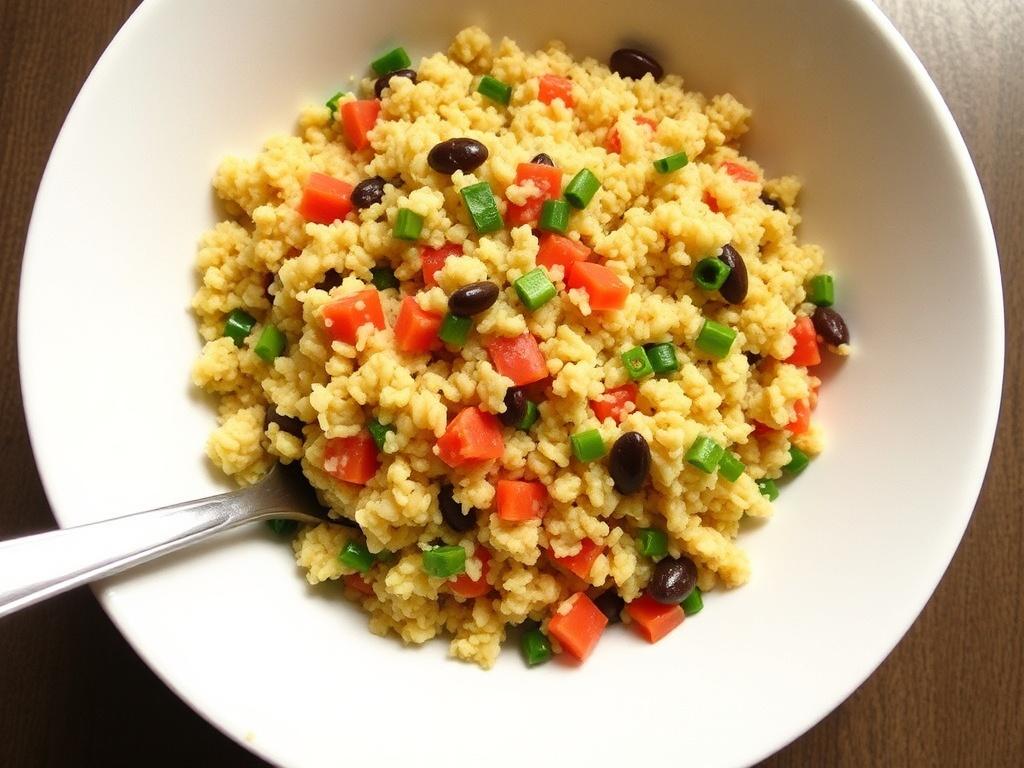
Couscous pilaf is at once everyday and adaptable — quick enough for busy nights, flexible enough for special occasions. Knowing its country of origin Couscous pilaf and History Couscous pilaf gives context, while the recipe and tips here make it easy to master. Try building your own signature version; small changes in spice, texture or add-ins will make it unmistakably yours.


