
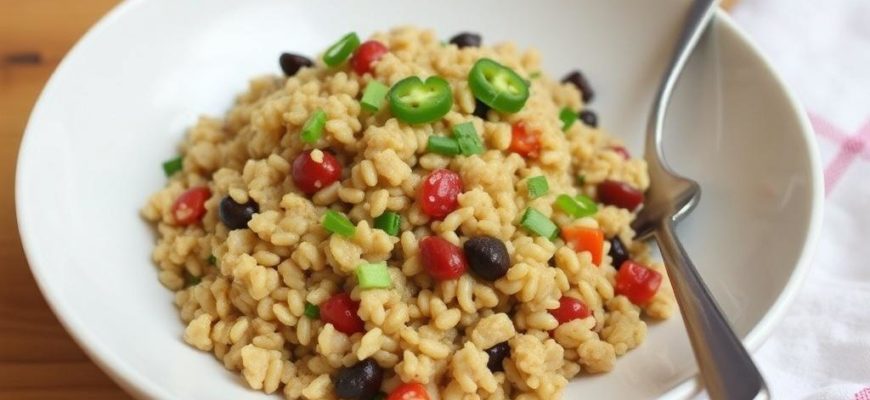
Imagine a warm pan, the nutty aroma of toasted grains filling the kitchen, and a simple bowl that feels like home no matter where you grew up. Buckwheat pilaf does that — it’s honest, textured, and surprisingly versatile. If you think of pilaf only as rice with spices, wait until you meet buckwheat: it changes the rules, adds depth, and makes a weeknight dinner feel worth lingering over. Read on and you’ll learn where it comes from, why it matters, how to cook it perfectly, and a few things that might make you fall in love with this underrated classic.
- Where Buckwheat Pilaf Came From
- A Brief History of Buckwheat Pilaf
- Interesting Facts about Buckwheat Pilaf
- Nutritional Value of Buckwheat Pilaf
- Popularity in Different Countries
- The Best Step-by-Step Cooking Recipe for Buckwheat Pilaf
- Ingredients
- Step-by-step Method
- Serving Suggestions and Variations
- Final Note
Where Buckwheat Pilaf Came From
Buckwheat pilaf has roots in regions where buckwheat grows easily — Eastern Europe, Russia, parts of Central Asia and the Caucasus. Buckwheat itself is not a cereal grain; it’s a seed related to rhubarb and sorrel, but it behaves like a grain in the kitchen. Historically, people in cold climates used buckwheat because it tolerates poor soils and short growing seasons. Turning those seeds into a pilaf — sautéing with onions, simmering in broth, adding bits of meat or mushrooms — became a practical, flavorful way to stretch food and add variety.
A Brief History of Buckwheat Pilaf
The idea of cooking grains or seeds with aromatic fat and spices before simmering in liquid is ancient. Pilaf techniques moved along trade routes and adapted to local staples. In Eastern Europe and Russia, buckwheat became the default because wheat or rice were not always reliable. Over centuries, families developed local versions: simple buckwheat with butter and fried onions, richer versions with lard and meat, or vegetarian renditions with mushrooms and herbs. The dish is humble, but it carries a lot of regional memory — comfort food shaped by climate and economy.
Interesting Facts about Buckwheat Pilaf
- Buckwheat cooks faster than many whole grains — about 10 to 15 minutes — which makes it a great option for a quick, nourishing meal.
- Because it’s gluten-free, buckwheat pilaf is a natural choice for people avoiding gluten; it offers a chewy, satisfying texture that rice sometimes lacks.
- Different cultures add distinctive touches: in some parts of Russia, buckwheat is served with fried onions and sour cream; in the Caucasus, it’s paired with lamb and spices; in Japan, hulled buckwheat (soba) appears in different forms but shares the same earthy profile.
- The word “pilaf” signals a cooking method more than a specific ingredient — you can make pilaf from many grains, and buckwheat is simply a particularly tasty candidate.
Nutritional Value of Buckwheat Pilaf
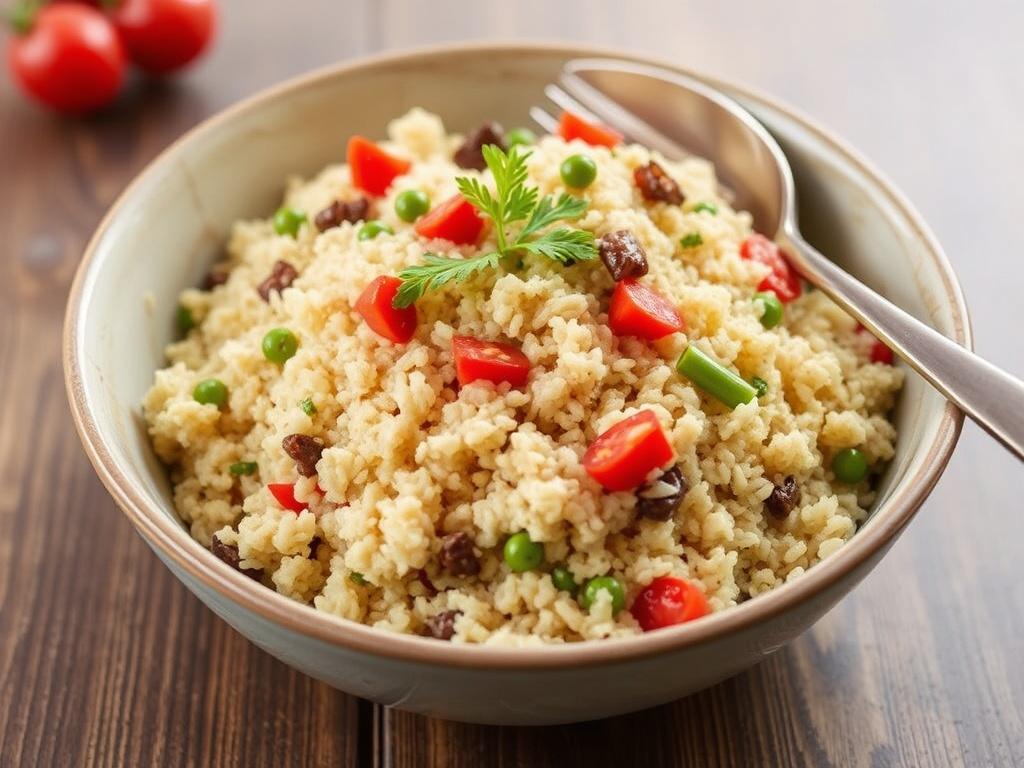
Buckwheat is nutrient-dense. It provides complex carbohydrates, a respectable amount of protein with a good amino acid profile, fiber, and beneficial minerals. It also contains rutin, a flavonoid linked to cardiovascular benefits. Below is a simple comparison per 100 g cooked buckwheat versus cooked white rice to show why some people prefer buckwheat for everyday meals.
| Component | Buckwheat (cooked, 100 g) | White rice (cooked, 100 g) |
|---|---|---|
| Calories | 92 kcal | 130 kcal |
| Protein | 3.4 g | 2.4 g |
| Fiber | 1.3 g | 0.3 g |
| Iron | 0.8 mg | 0.2 mg |
| Magnesium | 51 mg | 12 mg |
Popularity in Different Countries
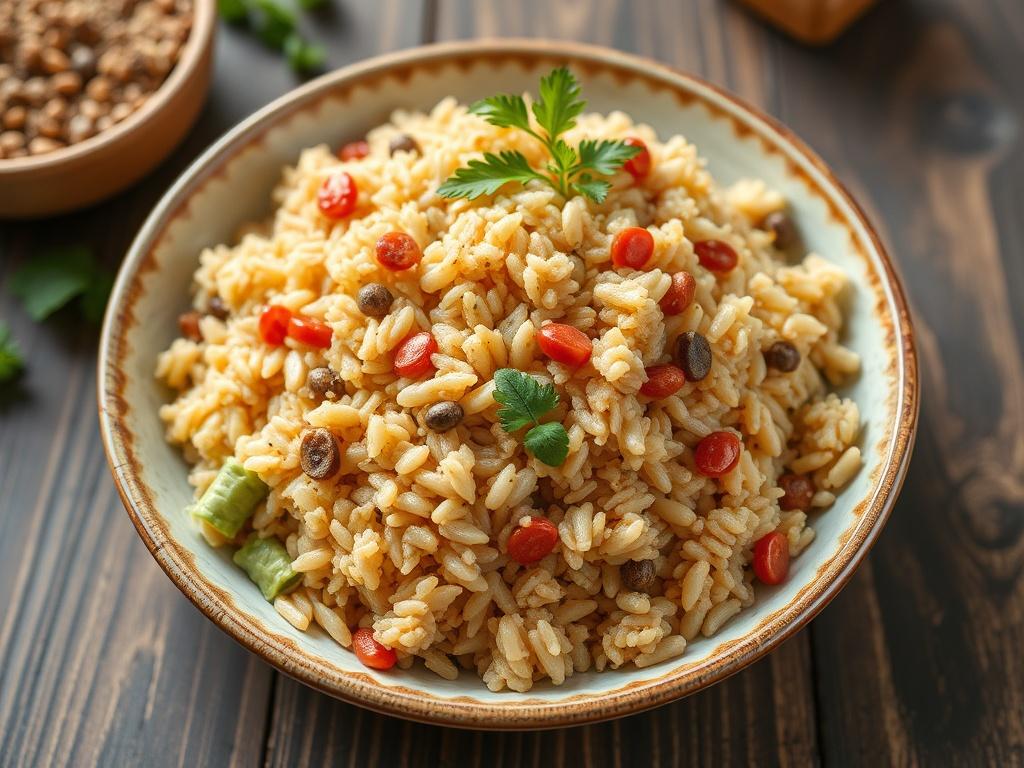
In Russia and Ukraine, buckwheat is a staple; you’ll find it on canteen menus and in home kitchens. In Poland and Belarus it plays a similar role, often accompanying stews or served as a side with meat and gravy. In the Caucasus and Central Asia, cooks use buckwheat less than wheat or rice but still value it, especially in mountain areas. Western countries are rediscovering buckwheat for its nutrition and earthier taste, and it appears increasingly in health-food stores and modern restaurant menus as a creative substitute for rice or barley.
The Best Step-by-Step Cooking Recipe for Buckwheat Pilaf
This recipe is designed to deliver a fluffy, flavorful pilaf with a toasted, nutty depth. It’s flexible — add vegetables, mushrooms, or diced meat as you like. Prep time is minimal, and the result works for weekday dinners or as a make-ahead base for bowls.
Ingredients
- 1 cup buckwheat groats (kasha, toasted if possible)
- 2 tablespoons butter or oil
- 1 medium onion, finely chopped
- 1 carrot, diced (optional)
- 2 cups vegetable or chicken broth
- Salt and freshly ground pepper to taste
- Fresh herbs like parsley or dill for finishing
- Optional: 1 cup sliced mushrooms or 200 g diced cooked meat
Step-by-step Method
- Rinse the buckwheat briefly under cold water, then drain. If your groats are not pre-toasted, heat them dry in a skillet for 3–5 minutes until fragrant and slightly darker.
- In a saucepan, melt the butter or heat oil over medium heat. Add onion and carrot. Cook until softened and just starting to brown, about 5–7 minutes.
- Add mushrooms or meat now if using, and sauté until any released liquid evaporates and browning begins.
- Stir in the toasted buckwheat, coating each grain with fat and aromatics for a minute or two.
- Pour in the broth, bring to a gentle boil, then reduce heat to low. Cover and simmer for 12–15 minutes until liquid is absorbed and groats are tender.
- Turn off the heat and let the pot sit covered for 5 minutes. Fluff with a fork, season with salt and pepper, and fold in chopped herbs.
Serving Suggestions and Variations
- Serve with a dollop of sour cream and fried onions for a classic Eastern European touch.
- Mix with roasted vegetables and a squeeze of lemon for a lighter bowl.
- Use as a base for grain bowls with roasted proteins and pickled vegetables.
Final Note
Buckwheat pilaf is simple to make but richly rewarding. It’s a dish that tells a story — of climates, kitchens, and practical cooks who made the most of what they had. Try the recipe, experiment with flavors you love, and you’ll find it’s not just a side dish: it’s a foundation for many meals. Enjoy the texture, welcome the nuttiness, and treat it like your new go-to pantry hero.


