
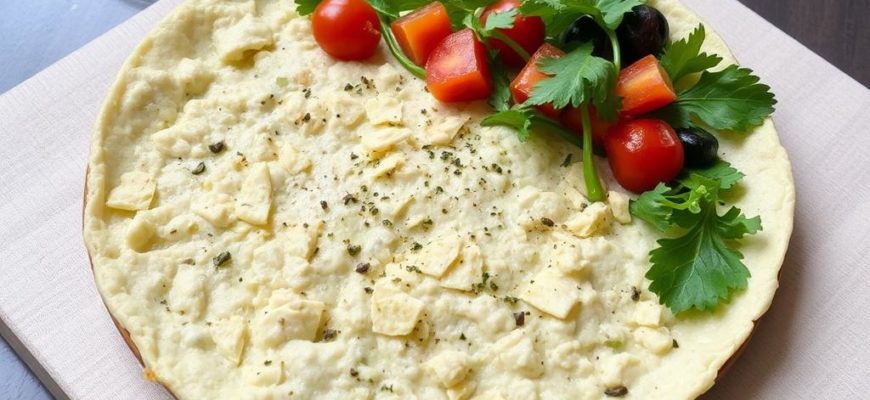
Imagine warm, fragrant rice studded with tender pieces of meat and sweet carrots, seasoned so simply and so well that each bite feels like home — then imagine that whole mound gently wrapped in paper-thin lavash, ready to eat with your hands. Pilaf in lavash is that kind of food: modest, generous, practical and endlessly satisfying. Whether you find it at a roadside stall, at a family table, or as part of a celebration, it invites you to join in without fuss. Keep reading and you’ll learn where it comes from, why it matters, surprising facts, how nutritious it can be, how different places serve it, and finally a clear, friendly recipe so you can make your own.
- Country of origin and where the idea came from
- History and cultural role of pilaf in lavash
- Interesting facts about pilaf in lavash
- Nutritional value of pilaf in lavash
- Popularity in different countries and local twists
- The best step-by-step cooking recipe for pilaf in lavash
- Ingredients for 4 servings
- Step-by-step method
- Tips and variations
- Serving suggestions and final thoughts
Country of origin and where the idea came from
Pilaf itself is ancient and travels across continents: rice cooked with stock, meat and aromatics appears from Central Asia to the Levant. Wrapping that pilaf in lavash — a thin, pliable flatbread common across the Caucasus, Turkey, Iran and Central Asia — developed naturally where both rice dishes and flatbreads were staples. In practical terms, pairing pilaf with lavash likely emerged in regions where people needed portable, satisfying meals for travel, markets and fieldwork. Today you’ll find this combination most often in the Caucasus and neighboring areas, where local cooks adapted available ingredients into an easy, shareable form.
History and cultural role of pilaf in lavash
The history is less about a single origin point and more about an interaction of foodways. Pilaf recipes spread with traders, nomads and empires; lavash has been baked in tandoor and clay ovens for centuries. Putting them together is a practical evolution: lavash serves as plate, wrapper and carrier. In many communities, pilaf wrapped in lavash became part of communal meals — weddings, harvests, roadside hospitality — because it’s easy to distribute and keeps well for a time. Over generations, technique and seasoning adapted to local tastes: in some places lamb or beef is standard, elsewhere chicken or purely vegetarian versions prevail. The important bit is social: pilaf in lavash is food designed to be shared, eaten with hands, and enjoyed immediately.
Interesting facts about pilaf in lavash
- Portability: Before disposable containers, lavash was the practical wrapper for take-away meals.
- Variations: You’ll see versions with dried fruits and nuts, or simpler savory mixes; spices change from cumin and coriander to turmeric and sumac depending on region.
- Serving ritual: In some households, the pilaf is placed on the lavash and then a second sheet covers it — a simple way to keep steam in while traveling.
- Street food to celebratory dish: It crosses social lines, appearing at modest street stalls and at feasts alike.
Nutritional value of pilaf in lavash
Nutritionally, pilaf in lavash can be balanced and hearty. Rice provides carbohydrates; meat adds protein and iron; vegetables contribute fiber and vitamins; lavash supplies additional carbs and a bit of fat if brushed with butter. Exact numbers depend on portion size and ingredients, but here is a typical breakdown for one wrapped portion made with meat and oil.
| Component | Approximate amount per serving |
|---|---|
| Calories | 600–750 kcal |
| Protein | 20–30 g |
| Fat | 20–30 g (varies with oil/lamb) |
| Carbohydrates | 70–90 g |
| Fiber | 3–6 g |
| Sodium | Depends on seasoning; can be moderated |
To make it lighter, use lean meat or more vegetables, reduce added oil, and choose whole-grain lavash where available.
Popularity in different countries and local twists
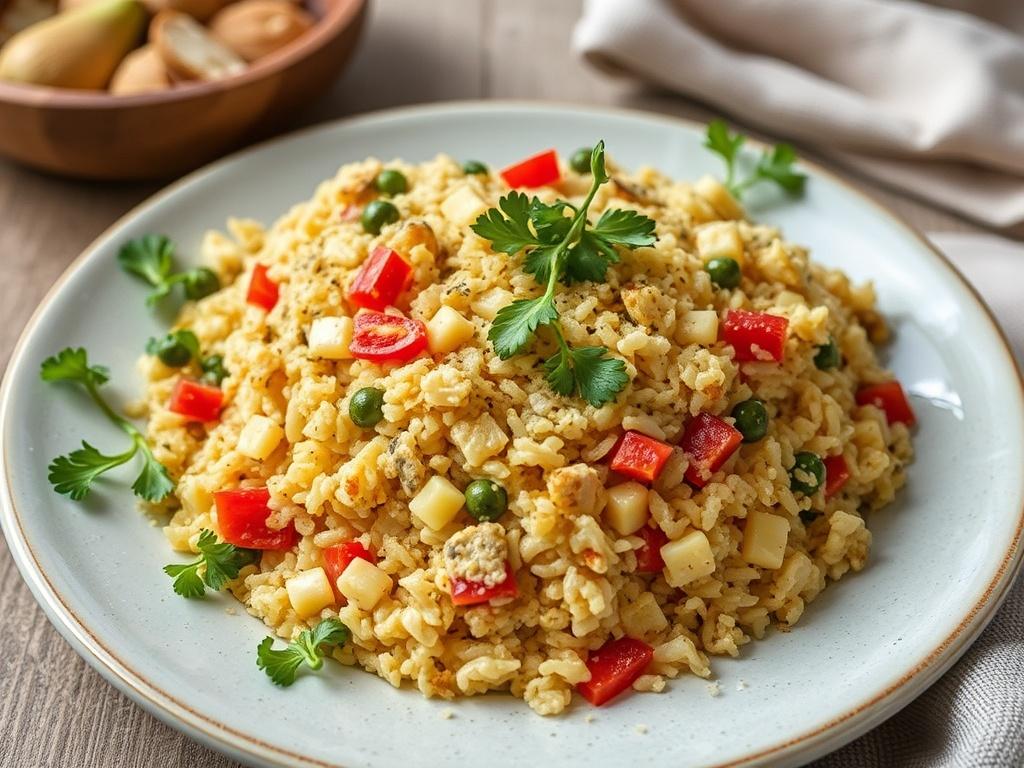
Across Turkey, Armenia, Azerbaijan, Iran and Central Asia, pilaf appears in many avatars. In Turkey you might find a simpler pilav often with butter and stock, sometimes paired with flatbread. In the Caucasus, richer pilafs with lamb, carrots and onions are common, and lavash is the natural vehicle. Central Asian plov tends to be more concentrated on rice and meat cooked together with specific spices; wrapping it in flatbread is practical for travel and picnics. In the Middle East, similar wraps can include saffron or dried fruits, leaning into sweeter notes. The shared theme is local adaptation: small changes in spice or added ingredients make the dish feel unique to each place.
The best step-by-step cooking recipe for pilaf in lavash
Ingredients for 4 servings
- 2 cups long-grain rice, rinsed until water runs clear
- 500 g lamb or beef, cut into bite-size pieces (or 450 g chicken or 400 g firm mushrooms for vegetarian)
- 2 medium onions, thinly sliced
- 2 large carrots, julienned or grated
- 3 tablespoons vegetable oil or rendered lamb fat
- 3.5–4 cups hot water or stock
- 1.5 teaspoons salt plus to taste; 1 teaspoon ground cumin; 1/2 teaspoon ground coriander; black pepper to taste
- Fresh herbs for serving (parsley or cilantro)
- 4 large lavash sheets; butter or a little oil for brushing
Step-by-step method
- Heat the oil in a wide, heavy pot over medium-high heat. Brown the meat in batches so it gets color without steaming. Return all meat to the pot.
- Add the onions and cook until soft and lightly caramelized. Stir in carrots and cook until softened. Season with salt, cumin, coriander and pepper.
- Spread the rinsed rice evenly over the meat and vegetables. Pour in the hot stock so it covers the rice by about one finger’s width (roughly the usual rice-to-water ratio). Do not stir; bring to a gentle boil.
- Once boiling, reduce heat to the lowest setting, cover tightly and simmer 20–25 minutes until rice is tender and liquid is absorbed. Let rest 10 minutes off heat with lid on.
- Fluff rice gently, mixing meat and vegetables through. Taste and adjust salt or spices.
- Warm lavash on a clean surface or griddle for a few seconds to make it pliable. Spoon a generous portion of pilaf onto each sheet, brush edges with melted butter if you like crisping, then roll or fold neatly. For a hot, slightly crisp finish, place wrapped pilaf seam-side down on a dry skillet for 1–2 minutes per side.
Tips and variations
- For fluffy rice: rinse well and soak 20 minutes before cooking if time allows; drain thoroughly.
- If you prefer drier, pilaf-style rice, use slightly less liquid and keep heat low during simmering.
- Add raisins and toasted almonds for a festive touch. A pinch of turmeric or a few strands of saffron can lift aroma and color.
- Vegetarian option: replace meat with roasted eggplant and mushrooms; add chickpeas for protein.
Serving suggestions and final thoughts
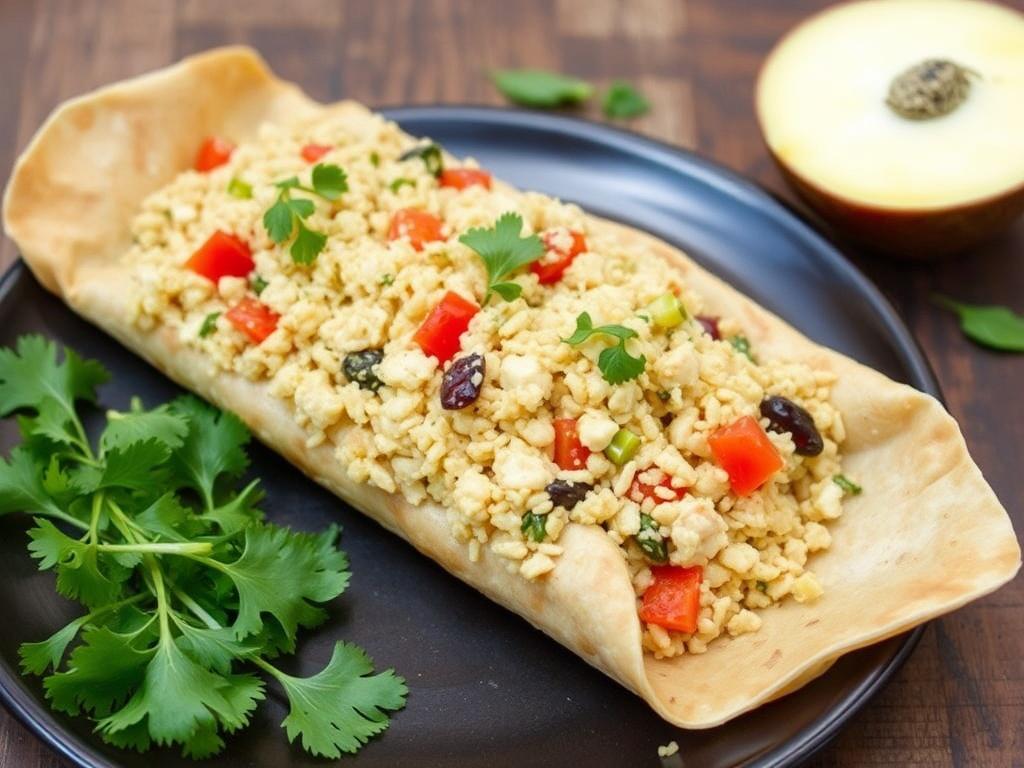
Serve pilaf in lavash warm with plain yogurt, pickles, or a simple salad. It’s a great portable lunch and also fits comfortably on a shared table. Making your own lets you control spices, fat and portion size, and gives you the pleasure of a handheld meal that still feels like a home-cooked plate. Try the recipe above and adjust spices to your taste — you’ll quickly learn the version your friends and family ask for again.


