

I still remember the first time I tasted millet pilaf — humble, nutty grains that somehow felt like an embrace. It wasn’t flashy, but every spoonful made me wonder why this dish isn’t on every weeknight table. If you enjoy simple food that’s flavorful, nourishing, and quick to make, stick around. I’ll take you through where millet pilaf comes from, how it evolved, what makes it interesting, the nutrition behind it, where people love it most, and a clear step-by-step recipe so you can make a batch tonight.
- Where Millet Pilaf Comes From and Why It Endures
- History of Millet Pilaf
- Timeline highlights
- Interesting Facts about Millet Pilaf
- Nutritional Value of Millet Pilaf
- Popularity in Different Countries and Local Turns
- The Best Step-by-Step Cooking Recipe for Millet Pilaf
- Ingredients
- Method
- Tips and Variations
- Serving Suggestions
Where Millet Pilaf Comes From and Why It Endures
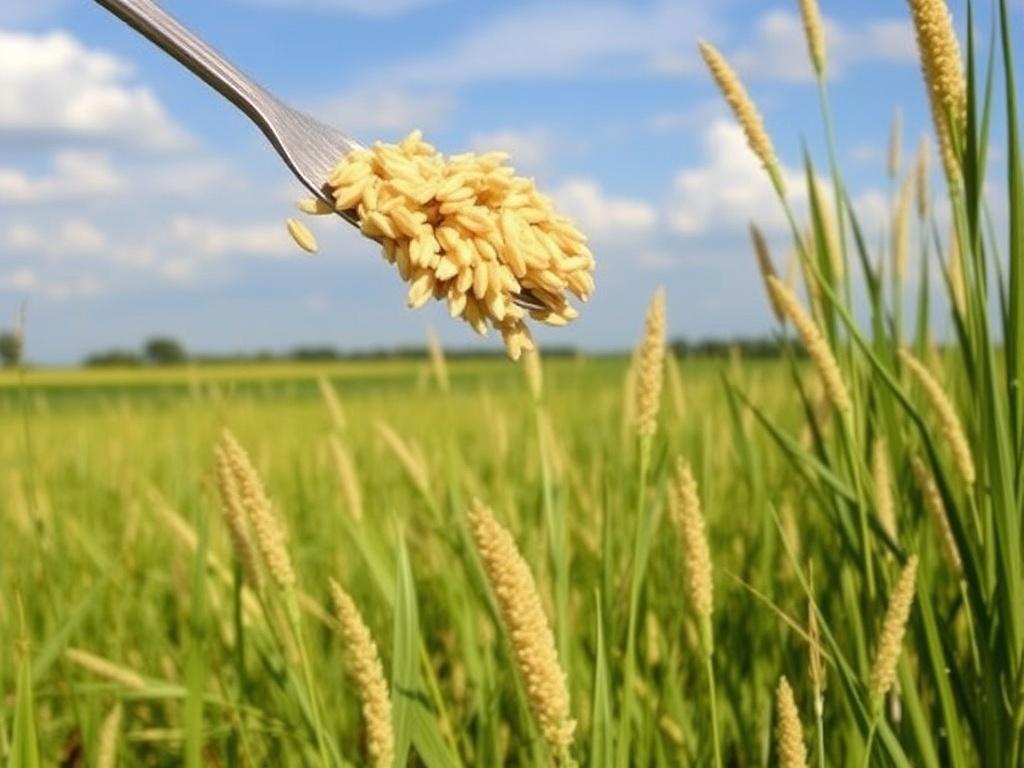
Millet has been cultivated for thousands of years across Africa and Eurasia. Millet pilaf grew out of the same logic that created rice pilaf: toast the grain, add aromatics, pour in stock, and let heat do the rest. Unlike rice, millet is small and cooks quickly, making it ideal for regions where fast, resilient crops mattered. It found its place in peasant kitchens, festival tables, and now modern homes that value whole grains and clean flavors. The dish’s simplicity is its strength — it adapts to local ingredients and spices, which is why versions of millet pilaf exist from the Caucasus to West Africa.
History of Millet Pilaf
Tracing millet pilaf’s history means tracing millet itself. Archaeological evidence shows millet cultivation in China more than 7,000 years ago and in parts of Africa and India several thousand years back. As cooking techniques spread, grains were prepared in similar ways across cultures. Pilaf-style cooking — toasting grains before simmering — appears in Middle Eastern and Central Asian cuisines early on. Millet naturally entered the pilaf family where rice was scarce or less suited to local soils. Over centuries, millet moved from survival staple to deliberate choice, appreciated for flavor, texture, and nutrition.
Timeline highlights
- Ancient cultivation in East Asia and parts of Africa.
- Adoption into pilaf techniques across Central Asia and the Caucasus.
- Modern revival as whole-grain cooking gains popularity.
Interesting Facts about Millet Pilaf
Millet hides a few pleasant surprises. It’s gluten-free by nature, so millet pilaf becomes an easy go-to for those avoiding gluten. The grain toasts quickly and offers a mildly sweet, nutty flavor that pairs with herbs, spices, nuts, or vegetables. Cooks often mistake millet for porridge grain only, but when cooked like pilaf it stays light and separate, rather than clumpy. Another neat point: millet’s small size means it absorbs flavors efficiently, so a little saffron, cumin, or lemon can transform a plain pot into something memorable.
Nutritional Value of Millet Pilaf
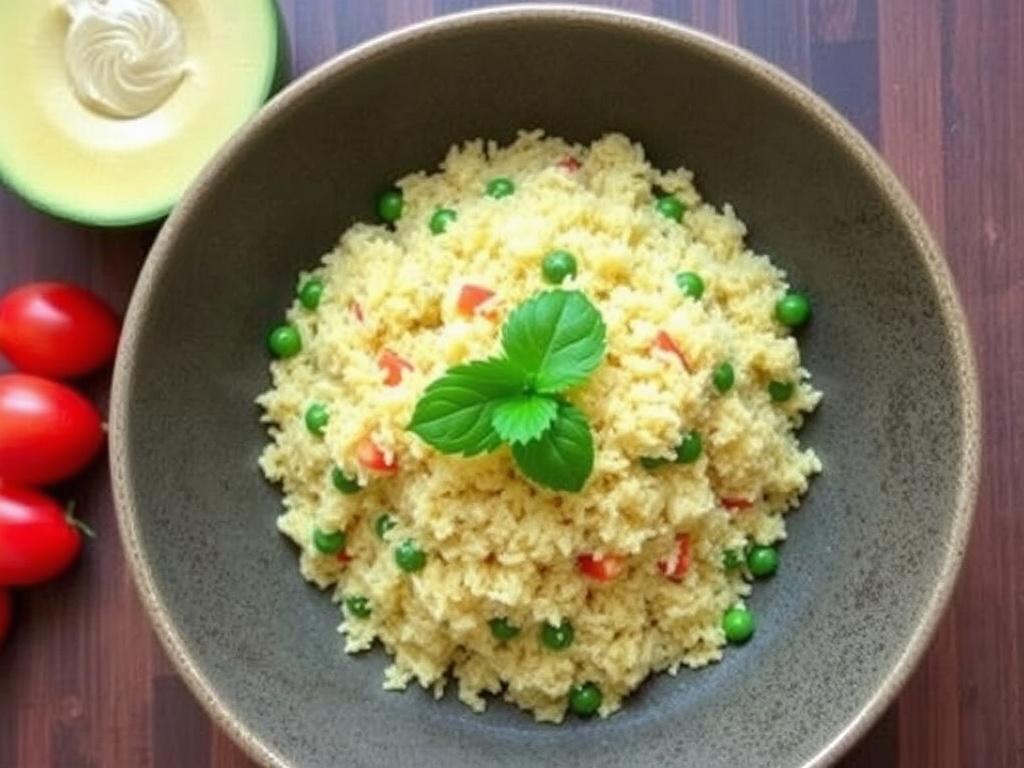
Millet brings good energy and useful nutrients. It’s higher in magnesium and phosphorus than many refined grains, and supplies a decent protein hit for a grain. Because it’s naturally gluten-free and easily digestible, many people tolerate it better than wheat. Below is a simple comparison for a typical 1-cup cooked serving of millet pilaf (values approximate).
| Nutrient | Amount per 1 cup cooked |
|---|---|
| Calories | ≈ 200 kcal |
| Carbohydrates | ≈ 41 g |
| Protein | ≈ 6 g |
| Fat | ≈ 2 g |
| Fiber | ≈ 2–3 g |
| Magnesium | ≈ 80 mg |
Those numbers vary with cooking method and added ingredients, but millet pilaf can be a balanced side or base for proteins and vegetables.
Popularity in Different Countries and Local Turns
Millet pilaf doesn’t wear a single identity. In parts of Central Asia and the Caucasus, you’ll find it alongside lamb or stewed vegetables. In West Africa, millet appears in savory stews and occasionally transformed into pilaf-like dishes with local spices. In India, small millet varieties substitute for rice in pilaf-style pulao recipes. In Western countries, millet pilaf is rising among home cooks looking for whole-grain alternatives; it often appears with Mediterranean flavors like olives, sun-dried tomatoes, or roasted peppers. Each place tweaks the seasonings and accompaniments, but the core — toasted grain, fragrant base, simmered to fluff — remains the same.
The Best Step-by-Step Cooking Recipe for Millet Pilaf
This version is reliable, fragrant, and flexible. It yields light, separate grains with a savory depth. Adjust herbs and add-ins as you like.
Ingredients
- 1 cup millet, rinsed and drained
- 2 tablespoons olive oil or butter
- 1 small onion, finely chopped
- 1 carrot, diced (optional)
- 2 cloves garlic, minced
- 2 cups vegetable or chicken stock
- Salt and pepper to taste
- A handful of chopped parsley or cilantro
- Optional: toasted almonds or pine nuts, lemon zest
Method
- Heat the oil in a saucepan over medium heat. Add onion and carrot and sauté until softened, about 4–5 minutes.
- Add the rinsed millet and toast it, stirring often, for 2–3 minutes. You want a faint nutty aroma but not browning too much.
- Stir in the garlic for 30 seconds, then pour in the stock. Season with salt and pepper.
- Bring to a gentle boil, then reduce heat to low, cover, and simmer for 15–20 minutes until liquid is absorbed. Turn off heat and let rest, covered, for 5 minutes.
- Fluff with a fork, stir in herbs, lemon zest, and toasted nuts if using. Taste and adjust seasoning.
Tips and Variations
- Use broth instead of water for richer flavor.
- Add spices like cumin, turmeric, or smoked paprika when toasting the millet for a different mood.
- Stir in roasted vegetables or chopped greens after fluffing to make it a one-pan meal.
- If you prefer crunch, toast nuts separately and sprinkle on top just before serving.
Serving Suggestions
Serve millet pilaf as a side to roasted meats, a bed for sautéed mushrooms, or as the base of a grain bowl with beans, pickles, and a creamy sauce. It cools well and also shines in salads with bright dressings.
Millet pilaf is the kind of dish that rewards small experiments. Try different stocks, herbs, or citrus finishes until you find your favorite version. Then make it often — it’s simple, resilient, and quietly delicious.


