
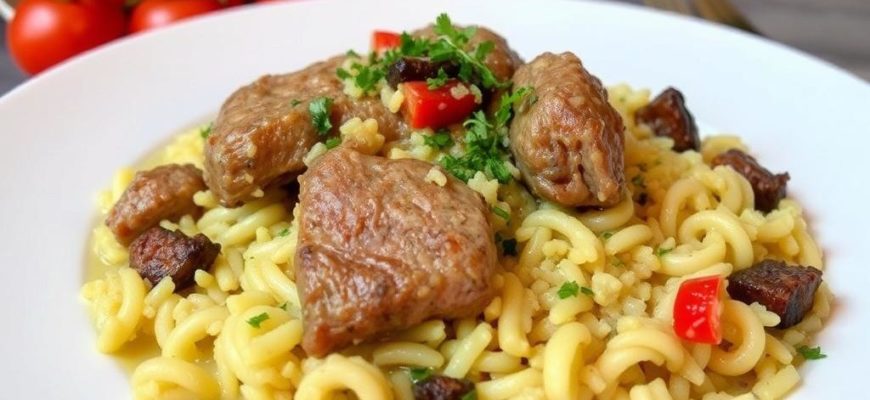
Imagine a pot that fills the room with warm, smoky steam, the scent threading through the house and tugging everyone into the kitchen. A dish that manages to be humble and celebratory at once, feeding a family on an ordinary night and stealing the show at a festive table. That’s lamb pilaf: simple ingredients, clever technique, and a flavor that lingers. If you’ve ever wanted to understand why this comfort dish feels so timeless and how to make it sing on your own stove, keep reading — I’ll take you through where it comes from, why it tastes so good, and a straightforward step-by-step recipe that actually works.
- Where Lamb Pilaf Was Born and How It Reached Our Tables
- Regional twists that shaped lamb pilaf
- The Story Behind Lamb Pilaf and How It Evolved
- Little Known and Delightful Facts about Lamb Pilaf
- What’s in a Serving Nutritionally
- How Popular Lamb Pilaf Is Around the World
- The Best Step-by-Step Cooking Recipe for Lamb Pilaf
- Ingredients
- Step-by-step method
- Quick troubleshooting and tips
Where Lamb Pilaf Was Born and How It Reached Our Tables
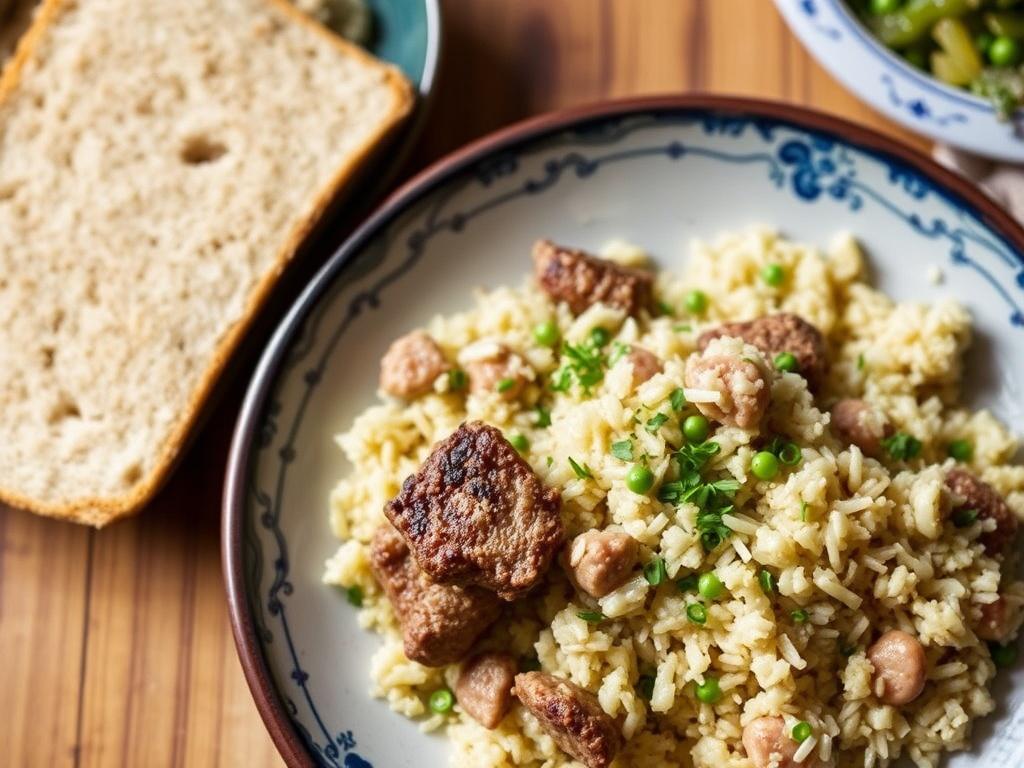
Lamb pilaf grew out of a practical need: to cook grains and meat together in one pot, using what was available and preserving flavor. You find versions across Central Asia, the Caucasus, the Middle East, and parts of the Mediterranean. Nomadic and agrarian communities alike favored this approach because it conserved fuel and trusted slow, even cooking to turn modest ingredients into something rich. Each region introduced small tweaks — a particular spice, a method of layering rice, or a local cut of lamb — which led to many recognizable but distinct relatives of the same dish.
Regional twists that shaped lamb pilaf
- Cuisine of Central Asia: long-grain rice, generous lamb chunks, and carrots caramelized in lamb fat.
- Caucasian versions: sometimes use sour plums or pomegranate molasses for brightness.
- Middle Eastern takes: fragrant saffron and toasted nuts often make an appearance.
The Story Behind Lamb Pilaf and How It Evolved
Pilaf’s history stretches back centuries. Its technique likely spread along trade routes and through migrations, adapting to local tastes. What began as a peasant solution to stretch meat turned into celebratory food for weddings and holidays in many cultures. In urban areas, cooks refined the method — rinsing rice to get pure grains, browning meat for deeper flavor, and timing steam phases so the rice cooks evenly without getting mushy. Over generations, families passed on small secrets: a pinch of a certain spice, the exact moment to add water, or how long to rest the pot before uncovering.
Little Known and Delightful Facts about Lamb Pilaf
Some of the best discoveries about lamb pilaf are the tiny rituals around it. In parts of Central Asia, cooks layer raw rice over browned meat and vegetables, then cover the pot tightly to trap steam so rice finishes gently. Elsewhere, the rice might be parboiled and then combined. Nuts and raisins show up as celebratory touches. In some traditions, the cook places a hot brick wrapped in cloth into the pot to maintain even heat — a clever trick when stoves weren’t steady.
What’s in a Serving Nutritionally
Lamb pilaf is satisfying because it balances protein, carbs, and fats. Exact nutrition depends on portions and ingredients, but a typical serving offers a solid dose of protein from lamb, energy from rice, and healthy fats if olive oil or moderate lamb fat are used. Vegetables add fiber and micronutrients.
| Nutrient | Approx. Amount per Serving | Role |
|---|---|---|
| Calories | 500–700 kcal | Energy from rice and lamb |
| Protein | 25–35 g | Muscle repair and satiety |
| Fat | 15–30 g | Flavor carrier and energy |
| Carbohydrates | 60–90 g | Primary energy source |
| Fiber | 2–5 g | Digestion support |
How Popular Lamb Pilaf Is Around the World
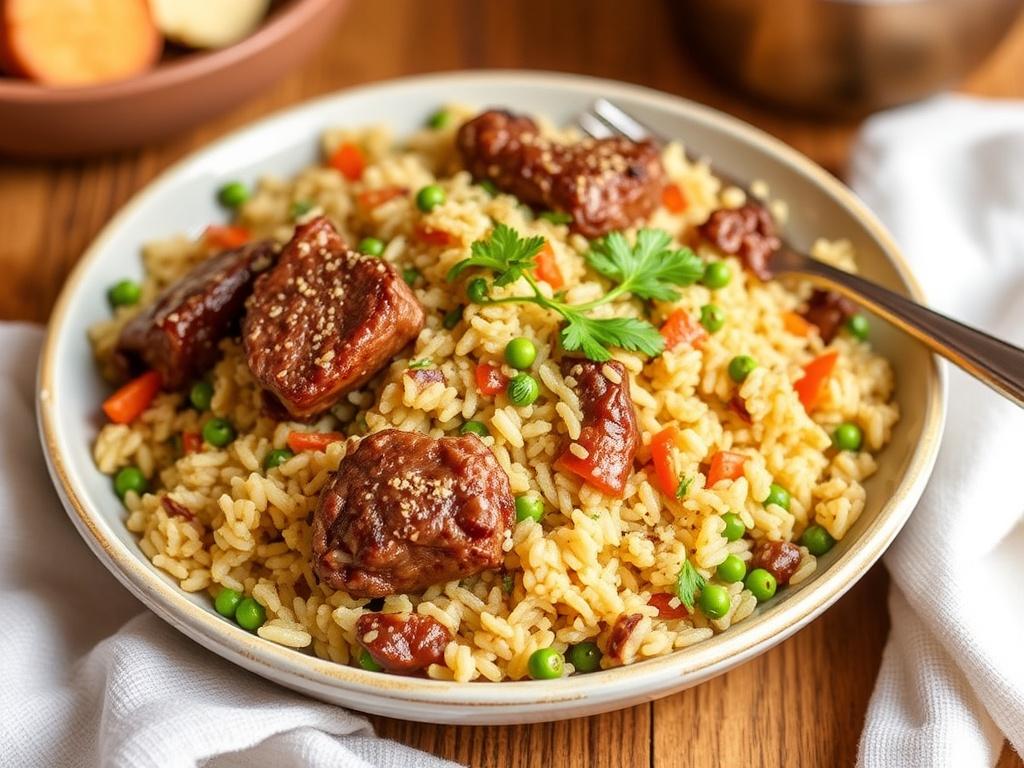
Lamb pilaf enjoys broad popularity. In Uzbekistan and Kazakhstan it’s a national favorite; in Armenia and Azerbaijan it appears at family gatherings; in Turkey and Iran you’ll find regional variants that showcase local spices. Even in diaspora communities, the dish carries cultural memory. Its appeal is universal: a communal pot that feeds many and makes simple ingredients feel important.
The Best Step-by-Step Cooking Recipe for Lamb Pilaf
Below is a practical recipe designed for a home kitchen. It aims for full flavor without fuss and includes small tips to avoid common mistakes.
Ingredients
- 500 g lamb shoulder, cut into 2–3 cm pieces
- 2 cups long-grain rice, rinsed until water runs clear
- 2 large carrots, julienned or cut into sticks
- 1 large onion, thinly sliced
- 3–4 tbsp vegetable oil or lamb fat
- 1 tbsp ground cumin
- 1 tsp ground coriander
- Salt and pepper to taste
- 4 cups water or stock
- Optional: raisins, toasted almonds, saffron soaked in 2 tbsp warm water
Step-by-step method
- Heat oil in a heavy pot over medium-high heat. Brown lamb in batches so pieces get color. Remove and set aside.
- Sauté onion in the same pot until soft and golden. Add carrots and cook until they start to caramelize.
- Return lamb to the pot. Stir in cumin, coriander, salt, and pepper. Allow spices to bloom for a minute.
- Spread the rinsed rice evenly over meat and vegetables. Pour water or stock gently so it covers rice by about 1 cm.
- Bring to a boil, then reduce heat to low, cover tightly, and simmer without stirring for 18–22 minutes, until rice has absorbed the liquid.
- Turn off heat and let the pot rest for 10 minutes covered. Fluff rice gently with a fork, mixing meat and rice. Stir in soaked saffron and scatter toasted almonds or raisins if using.
- Serve straight from the pot, encouraging people to ladle generous portions and enjoy with a simple salad or yogurt on the side.
Quick troubleshooting and tips
- If rice is undercooked but water is gone, add 2–3 tbsp hot water, cover and steam 5 more minutes.
- To avoid mushy rice, rinse well and avoid stirring after you add water.
- Use lamb shoulder for flavor and tenderness; lean cuts dry out faster.
Lamb pilaf is one of those dishes that rewards small adjustments. Try different spice blends, swap in bulgur or barley for texture, or add seasonal vegetables. The method stays the same: brown, layer, steam, and rest. Do that, and you’ll have a pot that smells like home and invites everyone to the table.


