
The Pilaf Chronicles: A Journey Through Rice, Spices, and Tradition
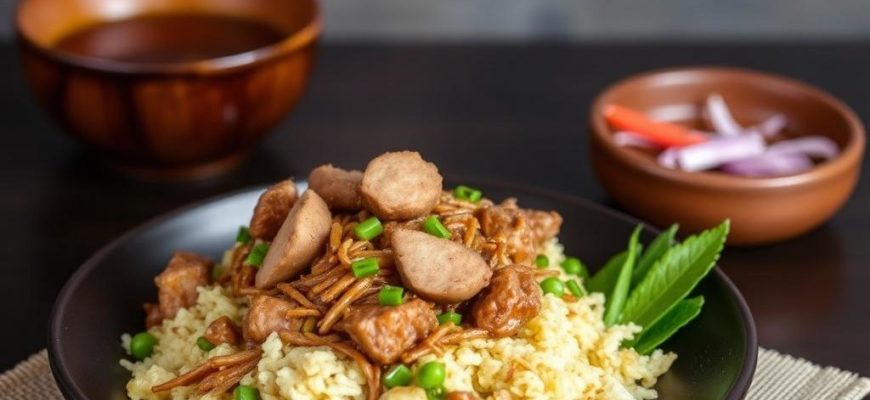
Imagine rice that carries the scent of warm spices, tender duck pieces that pull apart with a gentle fork, and an unexpected harmony where Indonesian warmth meets pilaf tradition. That is Indo duck pilaf: a dish that feels like a story told with aroma and texture. Whether you crave comfort food with character or want a dinner that quietly impresses guests, this recipe folds history, flavor, and simple technique into one fragrant pot. Read on and you’ll learn not only how to cook it step by step, but where it came from, what makes it special, and why it deserves a place on your table.

Imagine a pot that smells like warm spices, browned onions, and slow-cooked rice, where each grain keeps its shape and carries a whisper of lamb and carrot — that’s Devzira pilaf waiting to be tasted. This is not the slick restaurant version; it’s the kind of pilaf your neighbor makes on a Sunday, the one that fills the stairwell with tempting steam and brings people together. If you like food that feels honest and generous, stay with me: we’ll uncover where Devzira pilaf likely comes from, what makes it special, and how to cook it at home so every forkful sings.
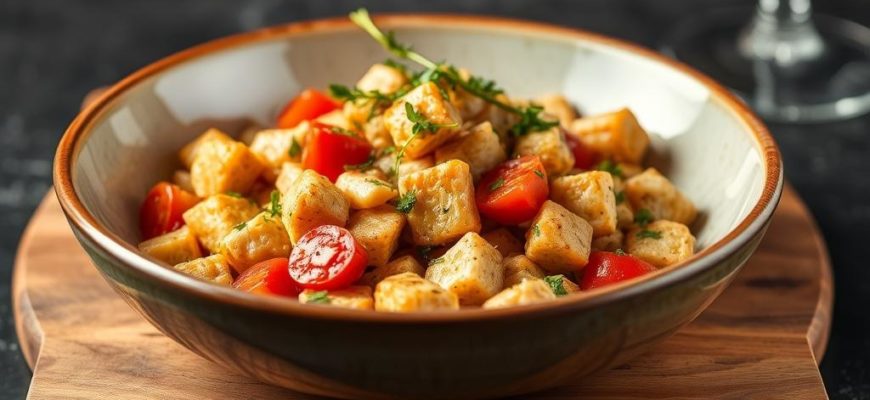
Imagine the aroma of slow-rendered goose fat warming a kitchen, carrots and onions softening until sweet, rice grains soaking up savory juices and spices — that first spoonful that combines richness and restraint. Goose pilaf is one of those dishes that feels ceremonial and homey at once: it rewards patience, it gathers people, and it tastes like a story. If you’ve ever wondered how to make a pilaf that isn’t just an accessory to the main course but the main event itself, stay with me — I’ll walk you through what goose pilaf is, where it likely came from, why it behaves differently from chicken or lamb versions, and how to cook it so the rice and meat sing together.