
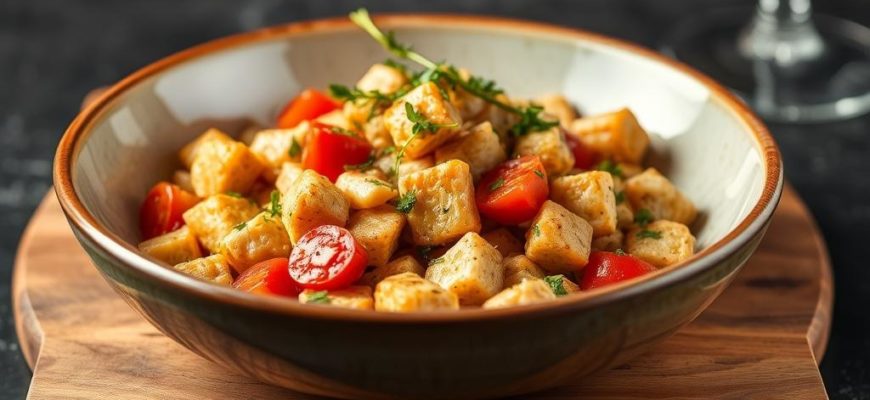
Imagine the aroma of slow-rendered goose fat warming a kitchen, carrots and onions softening until sweet, rice grains soaking up savory juices and spices — that first spoonful that combines richness and restraint. Goose pilaf is one of those dishes that feels ceremonial and homey at once: it rewards patience, it gathers people, and it tastes like a story. If you’ve ever wondered how to make a pilaf that isn’t just an accessory to the main course but the main event itself, stay with me — I’ll walk you through what goose pilaf is, where it likely came from, why it behaves differently from chicken or lamb versions, and how to cook it so the rice and meat sing together.
Country of origin: Goose pilaf’s roots
Pilaf is an old concept — rice cooked with meat, fat and aromatics — that traces back to the Persian world and spread across Central Asia, the Middle East and into parts of Europe. Goose pilaf isn’t easily pinned to a single nation the way a regional stew might be. Instead, it appears where geese are plentiful and people adapt the basic plov or pilaf method to local ingredients. Think of northern and eastern Europe, parts of Russia and the Caucasus, plus pockets of Central Asia where domesticated geese were common. In short, the country of origin for goose pilaf is less a single place than a cluster of culinary traditions that met rice and fat and made something memorable.
History of Goose pilaf
Rice-and-meat dishes have been traveling for centuries. When traders, armies and migrants carried rice and spices along trade routes, they also shared techniques. Pilaf arrived in many kitchens and took on local shapes. In regions where lamb or beef dominated, those meats naturally became plov; where geese were raised — often kept for fat, feathers and meat in colder climates — cooks swapped proteins without changing the basic method. Over time, goose pilaf acquired its own rhythm: long and slow browning to render fat, careful handling of rice so it doesn’t clump, and a balance of warming spices suited to the local palate.
Interesting facts about Goose pilaf
- Goose fat is prized for its flavor and cooking properties; it crisps vegetables and imparts a silky mouthfeel to rice.
- Unlike lighter birds, goose benefits from lower-and-slower cooking to melt collagen and avoid toughness.
- Variants may include dried fruits or nuts, reflecting regional tastes — for example, adding raisins, apricots or barberries where those items are common.
- In some cultures, pilaf is a festive dish served at weddings or holidays; using goose can mark a special occasion because of its richer cost and flavor.
Nutritional value: Goose pilaf
Goose meat is richer and fattier than chicken or turkey, so goose pilaf will be higher in calories and fat per serving. That richness also brings iron, B vitamins and a satisfying protein punch. Here’s a compact view to help you plan portions and pairings.
| Component | Approximate per 100 g cooked |
|---|---|
| Roasted goose (meat only) | Calories 300–380 kcal; Protein 25–30 g; Fat 25–30 g |
| Rice (plain cooked) | Calories 120–140 kcal; Protein 2–3 g; Carbs 28–31 g |
Combine them and you get a hearty plate — ideal for colder seasons or when you need a filling family meal. For a lighter version, trim visible fat from the meat, use more rice and vegetables, or balance with a crisp salad.
Popularity in different countries: Goose pilaf
Where rice is revered, pilaf is common; where geese are farmed, cooks adapt. In Central Asia, versions of plov with various meats are staples. In parts of Eastern Europe and the Caucasus, goose takes the place of lamb or pork when available. Chinese cuisine also has regional dishes that pair goose with rice, though techniques and flavors diverge. The popularity depends on local farming and tradition: goose pilaf shines in places that prize rendered-fat cooking and celebrate rich textures.
The best step-by-step cooking recipe for Goose pilaf
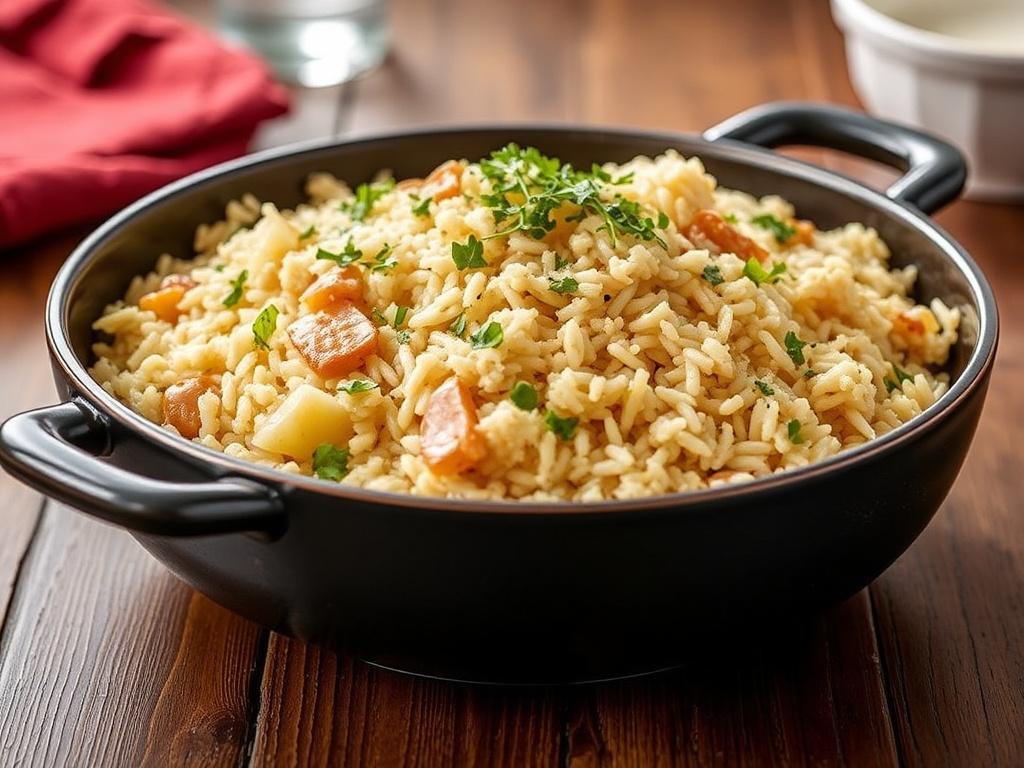
This recipe serves 4–6 and leans on classic pilaf technique: render fat, brown meat, sweat aromatics, add rice and simmer gently until done.
Ingredients
- 1.2 kg goose pieces (legs and thighs recommended)
- 400–500 g long-grain rice (Basmati or similar), rinsed until water runs clear
- 2 large onions, thinly sliced
- 2 large carrots, cut into matchsticks or thin batons
- 4–6 garlic cloves, whole or slightly crushed
- 3 tbsp goose fat or neutral oil (use rendered goose fat if available)
- 1 tbsp ground cumin, 1 tsp ground coriander, salt and black pepper to taste
- 700–800 ml hot chicken or vegetable broth (adjust depending on rice)
- Optional: a handful of raisins or chopped dried apricots; fresh herbs to finish
Method
- Pat goose dry and season with salt and pepper. In a wide, heavy pot, heat 1–2 tbsp fat over medium-high heat and brown the goose pieces in batches until nicely colored. Remove and set aside.
- Lower heat to medium, add remaining fat, and sauté onions until soft and starting to caramelize, about 10 minutes. Add carrots and cook 5–7 minutes more; they should soften but keep some texture.
- Return goose to the pot. Sprinkle in cumin and coriander, stir briefly to coat. Pour in just enough hot broth to come halfway up the meat. Cover and simmer gently for 35–45 minutes, until the meat is tender and some liquid remains.
- Remove the goose pieces temporarily. Taste and adjust seasoning of the cooking liquid. Add the rinsed rice in an even layer over the vegetables and meat juices. Nestle the garlic cloves among the rice.
- Pour hot broth so it just covers the rice by about 1 cm (adjust quantity based on your rice; for many long-grain rices use roughly 1:1.25 rice-to-liquid by volume here because some liquid is already in the pot). Do not stir.
- Bring to a gentle simmer, then reduce heat to low, cover tightly and cook undisturbed for 18–22 minutes, until rice is tender and liquid absorbed. Turn off heat and let rest 10 minutes.
- Fluff rice with a fork, return goose on top, and let the whole pot sit 5 minutes. Garnish with herbs or toasted nuts if you like. Serve family-style.
Tips for success
- Rinse rice thoroughly to avoid sticky clumps. Soaking 20–30 minutes before cooking can improve texture for some rice types.
- Render excess goose fat early; you can reserve or discard as needed to control richness.
- Use a heavy-bottomed pot with a tight lid to keep steam in during the final rice phase.
- Adjust spice levels to taste — pilaf welcomes experimentation with warm spices or herbs.
Goose pilaf asks for a little time and attention, but it pays back in comfort and depth. Whether you’re feeding friends or crafting a seasonal centerpiece, the combination of rendered fat, slow-cooked meat and tender rice creates a dish that’s both rustic and refined. Try it once, and you’ll have a new favorite for cold evenings, special gatherings, or any time you want food that feels like an embrace.


