
DISHES - World of Culinary Delights
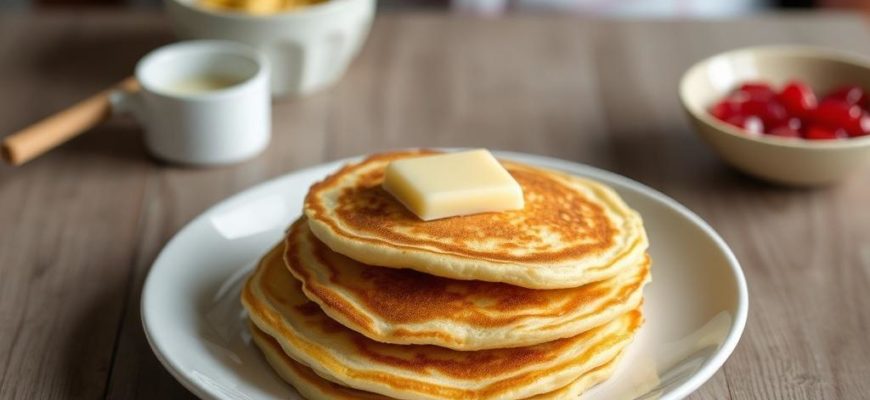
There’s a simple pleasure in a hot, slightly crisp pancake that isn’t trying to be anything but honest food — that’s pan bati. If you’ve never met Aruban pan bati pancakes, get ready: they’re part pancake, part flatbread and all personality. They come from kitchens where resourcefulness met flavor: cornmeal, a splash of milk, an egg, a pinch of salt, and often a little sugar or cheese, turned into something you can eat with your hands, fold, dunk or top. Stick around and I’ll walk you through what they are, where they came from, why locals love them, and three solid recipes so you can cook them at home.
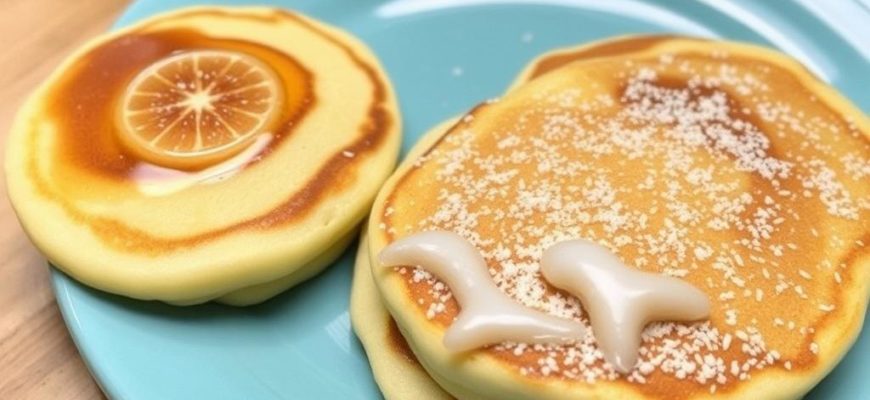
Warm, golden, and smelling like childhood—pancakes have a way of making any morning feel a bit more generous. Maybe you grew up with stacks drizzled in maple syrup, or maybe your first memory is a paper-thin crepe folded around lemon and sugar at a street fair. Either way, pancakes show up in kitchens around the world in countless shapes and moods. Stick with me: we’ll unpack what makes a pancake a pancake, how they wandered across continents, surprising facts that will make you smile, and a few recipes you’ll actually want to make tonight.
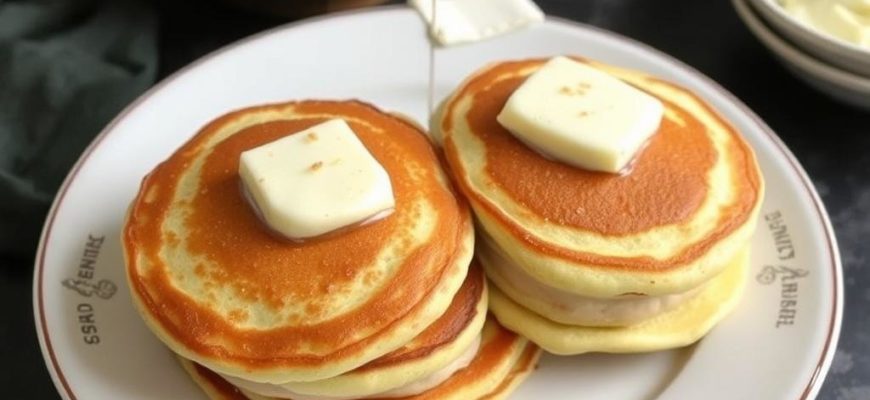
I remember the first time I tasted palachinke pancakes at a tiny kitchen table in Zagreb. They arrived rolled and steaming, the sweet smell of jam mingling with butter. One bite and everything else on the menu blurred out. If you like crepes, you will fall for palachinke too. They are simple, flexible, and somehow more homey than fancy. Read on and I’ll show you what palachinke really are, where they came from, why everyone has an opinion about fillings, and how to make three fail-safe versions at home.