
The Pilaf Chronicles: A Journey Through Rice, Spices, and Tradition
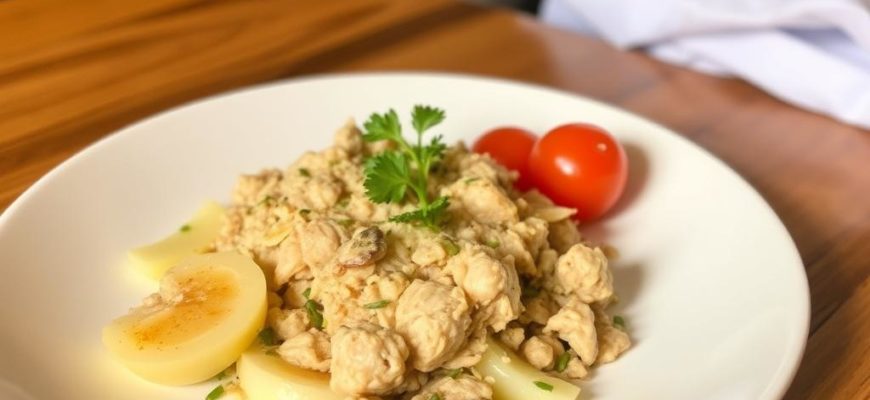
Imagine a steaming pot of rice that smells like autumn: warm spices, tender meat, and a bright, slightly floral fruit that cuts through the richness. Pilaf with quince does exactly that — it feels familiar and then surprises you. Whether you’ve had quince only as jam or never met it at all, this dish invites curiosity and hands-on cooking. Read on and you’ll find where it comes from, why it works, and a full, easy recipe to make it tonight.
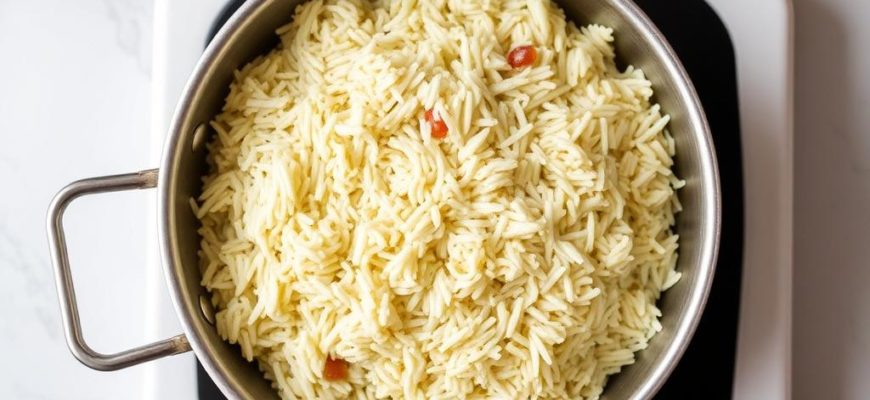
There’s something almost cinematic about a single pan sizzling on the stove while rice blooms and aromas rise, drawing everyone to the kitchen. Pilaf cooked in a pan is the kind of dish that feels humble and generous at once: modest ingredients, a few good moves, and a crowd-pleasing result. If you’ve ever wondered how to get perfectly separated grains, a rich depth of flavor, and a dish that travels easily from weeknight dinner to festive table, read on — this piece will walk you through history, tips, and a reliable recipe so you can make pan pilaf that actually tastes like home-cooked magic.
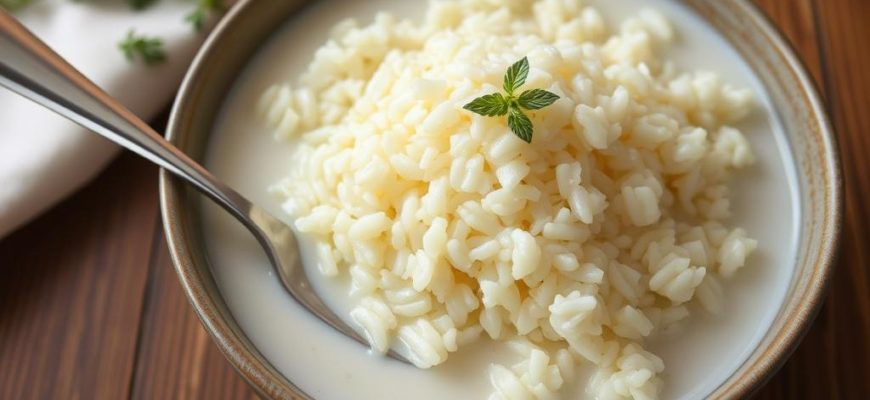
Imagine a simple pot on the stove where rice steams not in water but in warm, fragrant milk, turning each grain into something creamy and comforting. Pilaf cooked in milk is one of those dishes that feel like a hug at the end of a busy day, yet also carries threads of history and regional pride. Whether you met it as a childhood memory, a surprising item at a restaurant, or a recipe rescued from an old family notebook, there is something quietly magnetic about rice cooked this way; it softens, absorbs, and blossoms into subtle sweetness and soothing texture that makes you pause and take another spoonful.